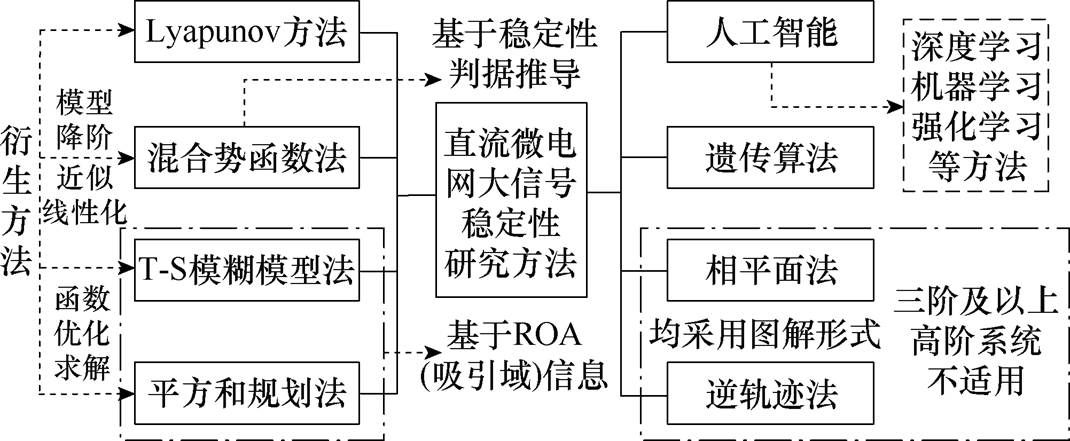
图1 直流微电网大信号稳定性分析方法
Fig.1 Large signal stability analysis method of DCMG
摘要 直流微电网集群是由邻近多个小型直流微电网互联而成的复杂网络,通过网间灵活的功率流动能够提升供电的可靠性和经济性。然而,直流微电网本身具有低惯性和高阻抗“弱电网”的特性,集群结构会进一步降低系统阻尼,导致其在大扰动情况下易引发失稳。传统基于Lyapunov函数的大信号稳定性分析缺少构建能量泛函的通用方法,尤其对于集群系统的高阶和非线性复杂动态特性更为突出,而现有采用“分解-集结”式的分布式建模分析方法也存在保守性较高和Lyapunov函数建立困难的问题。为此,针对直流微电网集群,该文提出基于分布式学习复合Lyapunov函数的大信号稳定性分析方法。将集群系统描述为若干互联的微电网子系统,建立子系统的分布式等效大信号模型,借助分布式深度神经网络学习子系统的Lyapunov函数,进而构建集群的复合结构Lyapunov函数;根据具体算例对重要参数影响、拓扑扩展性和与同类方法的比较等方面进行数值分析,最后分别通过硬件在环实验和物理样机实验验证所提方法的有效性。
关键词:直流微电网集群 大信号稳定性 分布式学习 复合Lyapunov函数
近年来,直流微电网(DC Microgrids, DCMG)发展迅速,已逐步成为整合风、光、储等分布式能源的有效解决方案[1-4]。同时,区域内相互毗邻的多个直流微电网可进一步互联成直流微电网集群(DC Microgrid Clusters, DCMGC),通过系统级功率管理能够增强集群的整体抗负荷冲击能力,提高区域内系统运行的可靠性和经济性[5-6]。
然而,直流微电网集群系统中,分布式能源和各类负载与直流母线之间存在大量电力电子接口,受控负载变换器从母线侧表现为负阻抗特性的恒功率负载(Constant Power Load, CPL),导致各直流微电网及其集群系统呈现出“弱电网”特性[7-9],而系统中频繁出现的分布式能源间歇性波动、负载需求变化、网间拓扑结构变化等大幅度扰动,为系统大信号稳定性运行带来挑战[10-11]。
图1简要总结了直流微电网现有的大信号稳定性分析方法,根据分析过程可分为求解吸引域(Region of Attraction, ROA)和推导稳定性判据两类。针对单个直流微电网,可通过降阶模型以便于构造Lyapunov函数及其衍生形式,如平方和规划法[12]、Takagi-Sugeno(T-S)模糊模型法[13-14]和混合势函数法[15]等。
图1 直流微电网大信号稳定性分析方法
Fig.1 Large signal stability analysis method of DCMG
尽管上述研究方法可用于直流微电网集群系统的分析,但往往是基于低维简化模型且不具备模型可扩展性,难以直观反映集群系统的复杂动态特性。相较于单个直流微电网,集群系统的状态变量数量将大幅增加,加之网与网之间的耦合性,导致系统动态特性愈加复杂,从而致使上述方法在分析集群系统时面临维数困境。因此,在处理集群系统时,通常基于互联系统分布式特性,在上述研究方法的基础上结合其他方法,如输入-状态稳定(Input-to- State Stability, ISS)、向量/标量Lyapunov函数等。
文献[12]基于直流微电网的二阶简化动态模型,通过平方和规划算法求了ROA。然而该方法在面对较多变量耦合的集群系统时,Lyapunov函数寻优往往难以获得可行解。文献[13-14]通过将直流微电网原非线性系统模糊化处理,将系统稳定性分析归结为一组线性矩阵不等式的求解问题,进而估计了ROA。受限于CPL单元数量,模糊规则数量随CPL个数呈指数级上涨,从而使得T-S模糊模型法在处理含多CPL高阶集群互联系统时面临“维数灾”的问题。文献[15]从能量函数角度,通过建立系统势函数,推导出混合势函数判据。在分析包含控制环路的集群系统时,难以直接建立针对比例积分(Proportional-Integral, PI)环节的势函数。
进而,文献[16]提出一种具备完整变量集的改进等效电路模型,通过混合势函数法有效分析了包含变流器控制参数的系统大信号稳定性。同时,近年来人工智能和数据驱动技术的发展也有效推动了直流微电网的稳定性研究[17-19]。文献[18]针对CPL导致直流母线电压失稳的问题,根据仿真模型建立的数据库,通过深度学习算法进行相关性分析,得到了系统稳定运行与CPL临界值的强弱关系。文献[19]通过深度神经网络构建Lyapunov函数,进而估计直流微电网ROA。文献[20]通过将单个子网简化处理,利用混合势函数法导出集群系统的大信号稳定判据,分析结果忽略了某些动态参数对系统的影响,导致其具有一定的保守性,且不具有对于分析结果的可扩展性。为此,文献[21]从分布式建模角度考虑,将整体系统描述为若干微电网子系统耦合形式,借助ISS理论[22]和非线性小增益定理[23],推导出集群系统的稳定判据,但随着微电网个数增加,理论推导和证明过程愈加繁琐且受限于特定模型。
综上所述,本文提出一种应用于直流微电网集群的分布式学习复合Lyapunov函数大信号稳定性分析方法,将集群系统的互联结构、ISS稳定性和数据驱动有机结合,避免现有方法因直接处理含完整状态变量集的状态方程而导致的“维数灾”问题,以及依赖于人工推导的复杂计算过程。首先,将集群互联系统分解为若干微电网子系统耦合形式,借助ISS理论和非线性小增益定理将系统整体的Lyapunov函数表示为子系统Lyapunov函数的复合形式;其次,借助深度神经网络(Deep Neural Network, DNN),构建系统模型并进行子系统划分以并行求解子系统Lyapunov函数,从而减少训练参数,在输出层对子系统复合,根据构建的损失函数优化求解集群系统Lyapunov函数;然后,根据具体算例对重要参数影响、扩展拓扑和方法比较等方面进行数值分析;最后,通过实验验证所提方法的有效性。
图2给出了直流微电网集群的典型拓扑结构。其中,图2a为单个直流微电网结构,由电池储能系统、分布式发电单元(含光伏和风机)和各类经DC-DC或AC-DC变换器连接至母线的恒功率负载组成;图2b即为直流微电网集群的整体拓扑结构,可根据要求连接成环形或链式等结构,同时给出了系统的分层控制示意图,由网内和网间控制器两部分组成,前者为本地控制,用于网内电压和电流控制;后者则为全局控制,以实现系统级的功率管理。
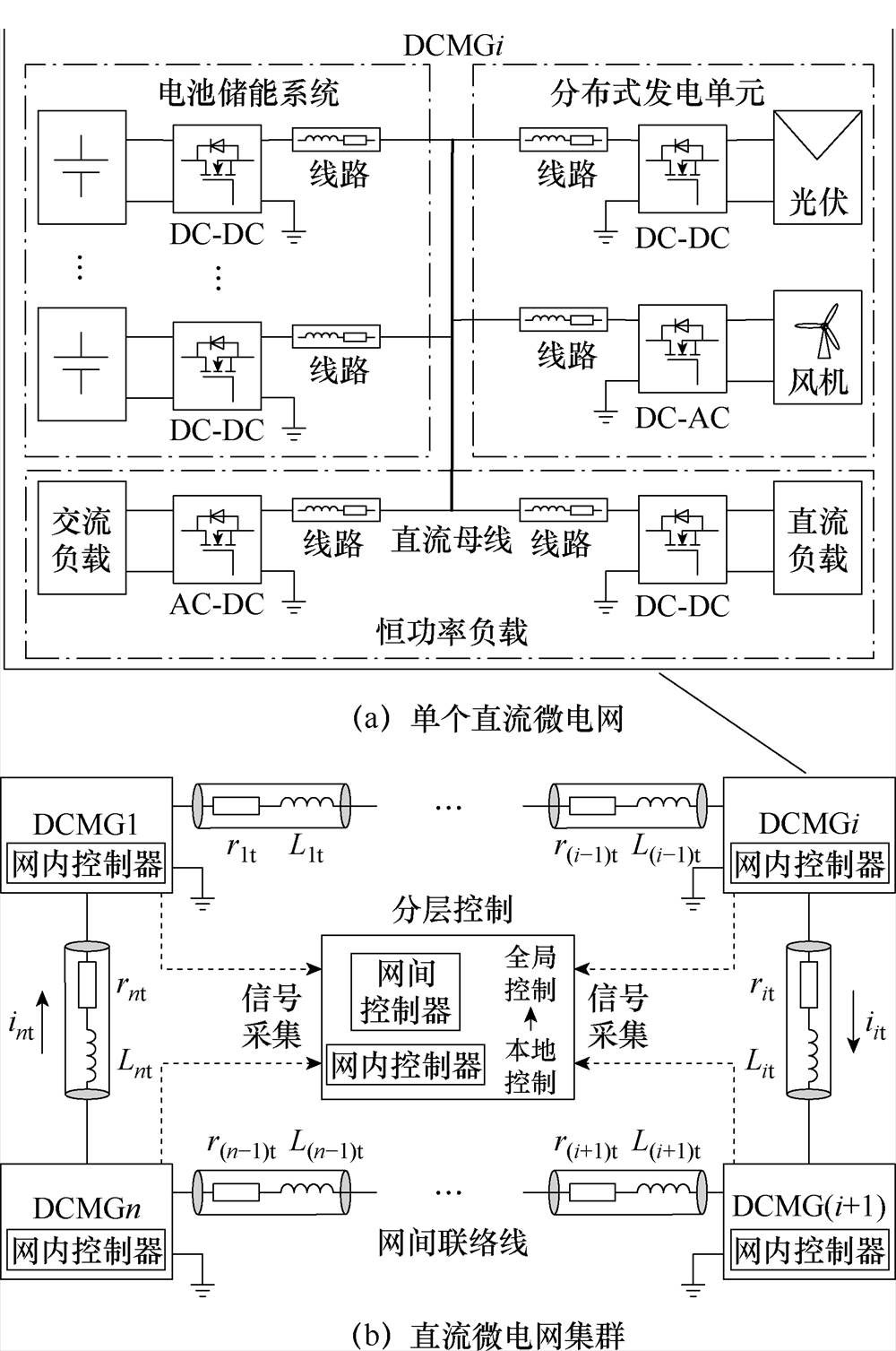
图2 直流微电网集群的典型拓扑结构
Fig.2 The typical topology of the DCMGC
为简化分析,根据变量的时间尺度可对系统中单个直流微电网的大信号模型进行降阶处理[2, 6, 18],将单个子网等效为受控电压源电路模型,由此可导出如图3所示的直流微电网集群的等效大信号模型,并由此列写系统的状态方程为
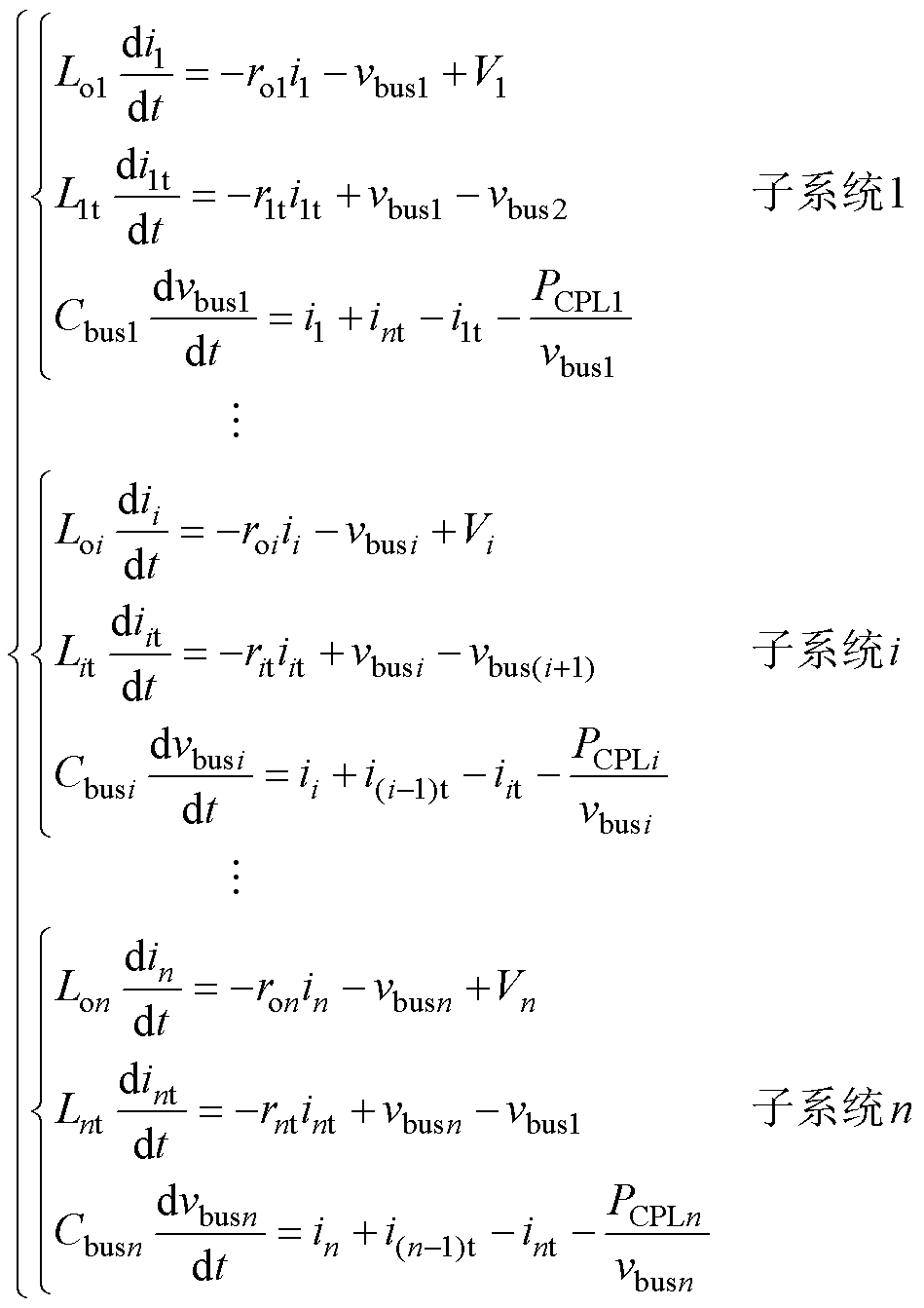 (1)
(1)
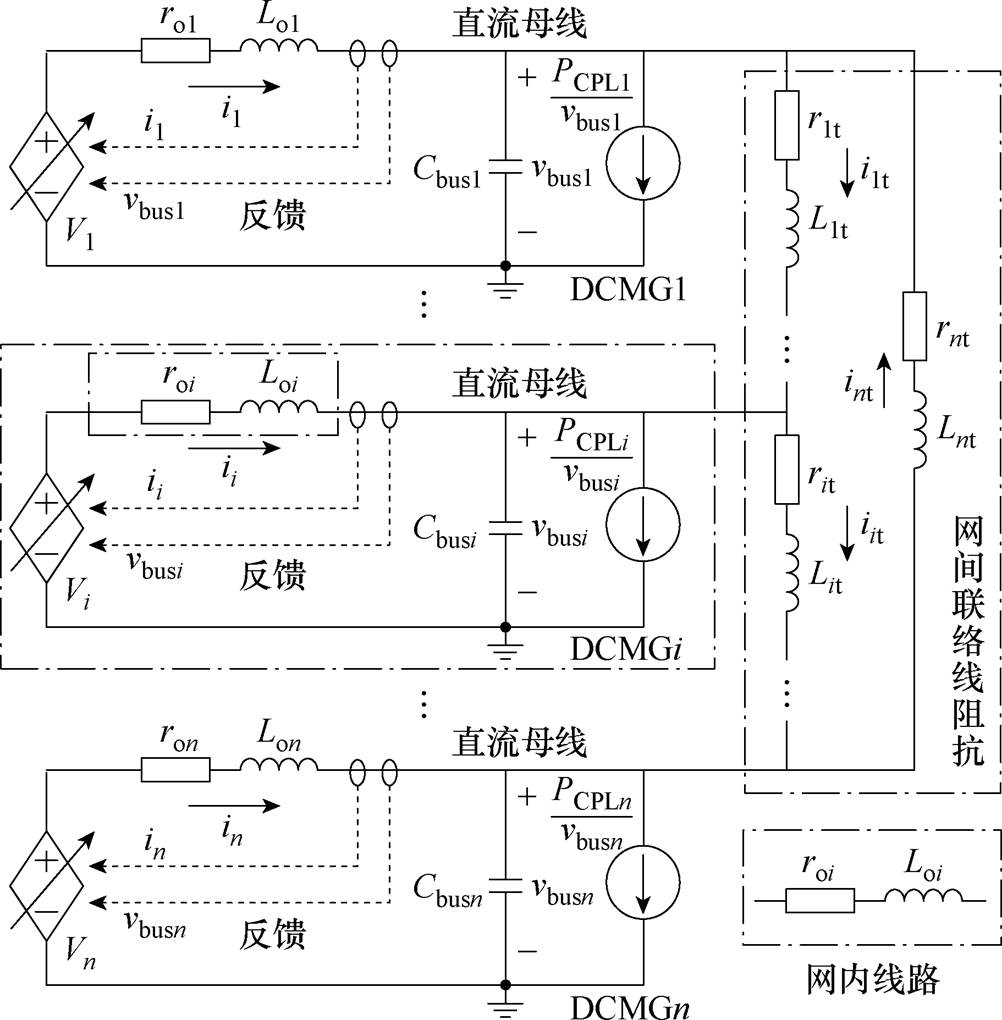
图3 直流微电网集群的等效大信号模型
Fig.3 Equivalent large-signal model of the DCMGC
式中,Vi、ii、vbusi、roi、Loi、Cbusi和PCPLi分别为集群中第i个直流微电网内的等效受控电压源电压、输出电流、母线电压、等效线路电阻、等效线路电感、母线电容和恒功率负载;iit、rit和Lit分别为网间联络线电流、电阻和电感。
式(1)通过变量代换将平衡点移至空间原点,且将集群系统中单网及其联络线视为一个子系统,可导出集群中第i个子系统DCMGi的分布式等效大信号模型为
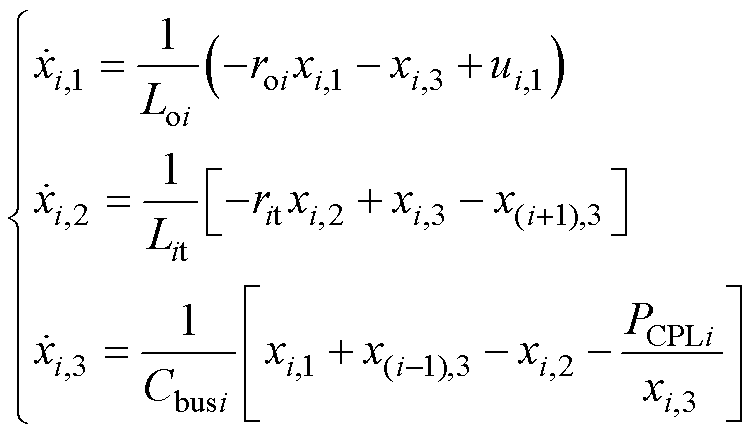 (2)
(2)
式中,xi,1、xi,2和xi,3分别为ii、iit和vbusi;子系统DCMGi的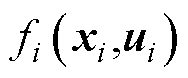 中状态变量由
 描述,
描述, 为子系统维数;
 ,子系统的输入量
 为受控电压源电压,变量下标i=1, 2,…, n,而n为集群中直流微电网的总数。
由此,可以将集群系统中状态向量x描述为
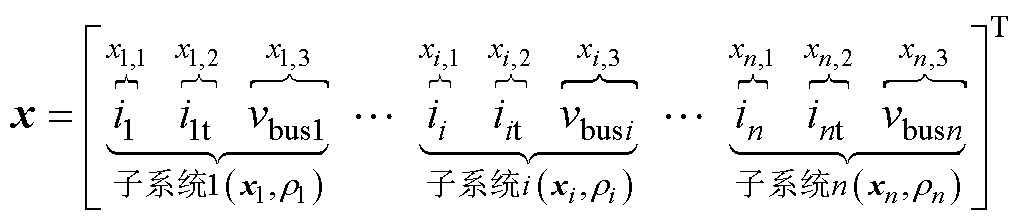 (3)
(3)
以及其输入向量u为
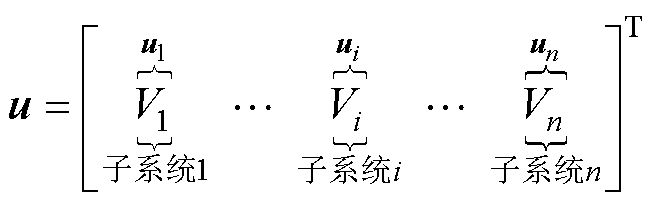 (4)
(4)
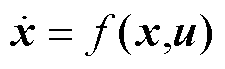
同时,集群系统的紧凑形式可描述为
 (5)
(5)
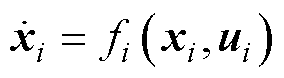
式(5)可拆解为子系统fi的复合形式,其中第i个子系统写为
 (6)
(6)
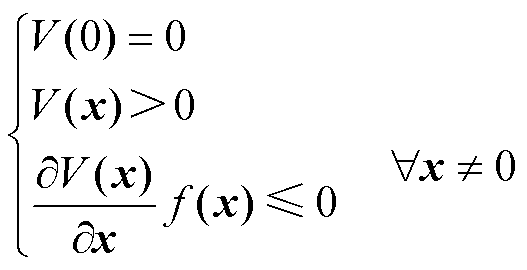
Lyapunov稳定性理论为分析系统在平衡点的稳定性提供了充分性判据,结合LaSalle定理[24],可进一步提供平衡点附近ROA的相关信息,根据Lyapunov稳定性理论,对于系统f(x),当存在一个连续可微的标量函数V(x)时,满足
 (7)
(7)
则系统在平衡点处是渐近稳定的。
定义1[24]:若闭区域RA内的状态变量满足随时间变化的轨迹,最终收敛到平衡点,即
 (8)
(8)
式中,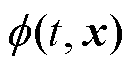 为系统在t=0时刻始于初始状态的解,Dx为状态变量的变化范围,则RA为系统的ROA。
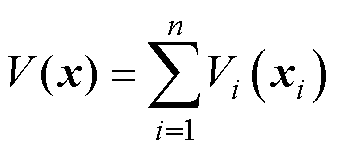
对于集群系统而言,由于系统维数较高,导致直接构造集群整体的Lyapunov函数困难,而输入-状态稳定(ISS)理论和非线性小增益定理,为大规模互联系统提供了新的解决思路。借助ISS-Lyapunov函数理论[22, 25],可将集群系统的Lyapunov函数拆解为若干子系统Lyapunov函数的复合形式为
 (9)
(9)
式中,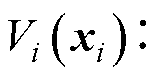
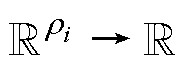 ,为子系统Lyapunov函数。
那么,Lyapunov函数的导数则为
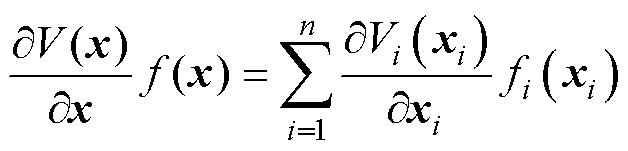 (10)
(10)
考虑式(9)中的子系统,若存在 类函数
类函数 和
和 类函数
类函数 ,在有界输入
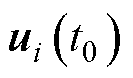 下,始于任意初始状态
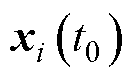 ,系统的解
,系统的解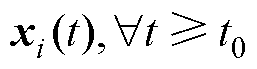 存在,并满足
 (11)
(11)
则子系统是ISS的。其中,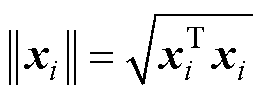 为Euclid范数,
 为
为 范数;类函数
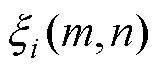 在m一定时,对变量n为递减函数且当
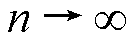 时,
时,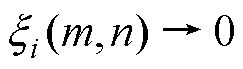 ;类函数
;类函数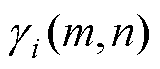 在m一定时,对变量n为递增函数。
类Lyapunov定理给出了子系统是ISS的充分条件:当连续可微的函数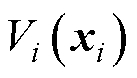 :
: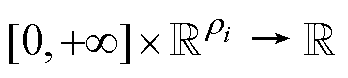 ,满足
,满足
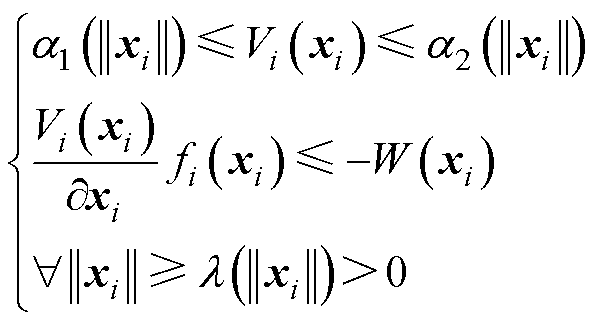 (12)
(12)
式中, 为
为 类函数;
类函数; 为类函数;W为
 上的连续正定函数。则子系统是ISS的。
进一步地,若互联的子系统之间满足小增益定理,则互联系统是稳定的。假设子系统i存在ISS- Lyapunov函数且满足
 (13)
(13)
式中, 和增益
和增益 为类函数;为相邻子系统j对子系统i的影响。定义映射
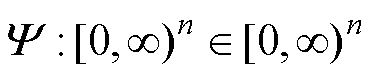 为
为
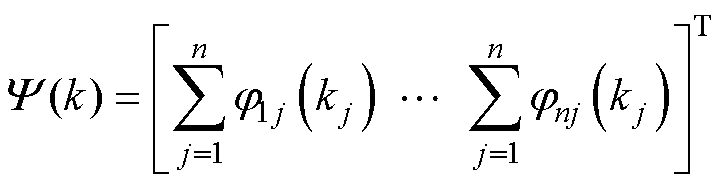 (14)
(14)
以及对角算子 为
为
 (15)
(15)
对于有界正定函数 ,i=1, 2,…,n,满足
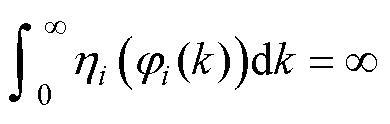 (16)
(16)
且对于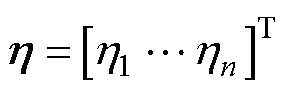 ,满足
,满足
 (17)
(17)
式中,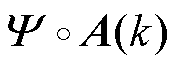 =
=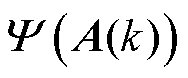 。
。
当子系统之间的耦合性满足式(16)与式(17)时,小增益定理成立。
根据2.1节集群互联系统稳定性条件,为严格论证从子系统Lyapunov函数到集群互联系统复合Lyapunov函数构建过程中,子系统间的耦合性不足以危及整个系统稳定性,在附录中给出了证明。
基于互联系统的稳定条件,可借助深度神经网络(DNN)对集群系统子系统的Lyapunov函数进行“分块并行求解”,依次构造子系统的Lyapunov函数,在DNN输出层再将其组合构成整体系统的复合Lyapunov函数,可有效缓解因直接求解而带来的“维数灾”问题[26-28]。
与一般DNN的网络结构不同,集群需满足“分块并行求解”子系统Lyapunov函数,以复合成集群的Lyapunov函数,因此要对DNN网络结构进行重新调整。图4所示为直流微电网集群的分布式学习复合Lyapunov函数示意图,采用多层前馈神经网络结构,其输出为
 (18)
(18)
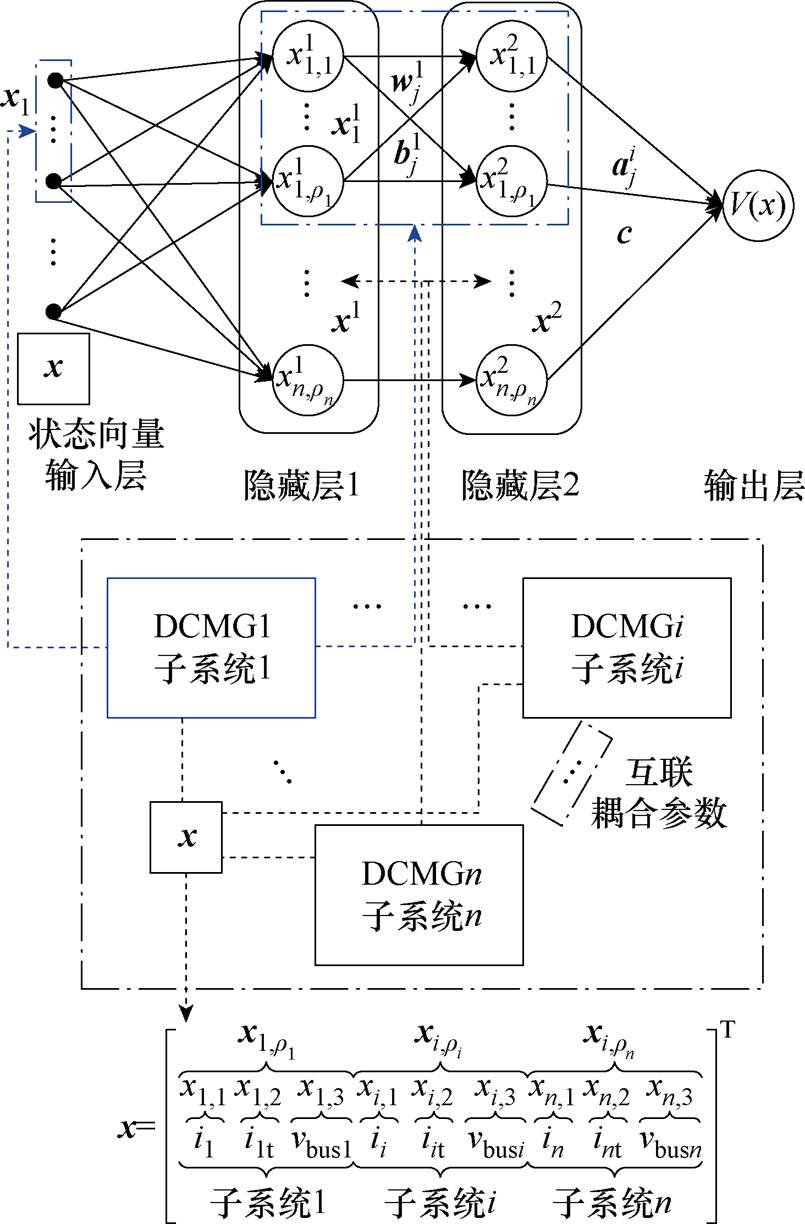
图4 分布式学习复合Lyapunov函数示意图
Fig.4 Diagram for distributed learning composite Lyapunov function
式中, 和
和 分别为隐藏层1到隐藏层2之间子系统i的权重和偏置;
 和
和 分别为隐藏层2到输出层之间的权重和偏置;
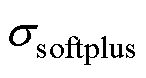 为激活函数并设计为
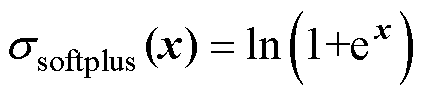 。
。
为使DNN训练出的复合函数满足式(7)中的Lyapunov函数特性,自定义损失函数(Custom Loss Function, CLF)为
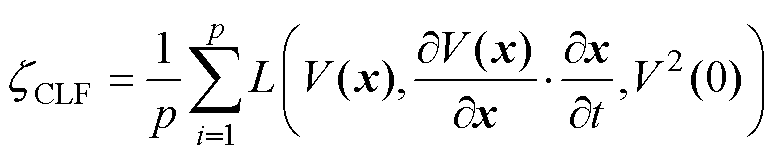 (19)
(19)
式中,p为DNN的训练样本数据量,数据量的范围为Dx。首先根据Matlab中ODE求解器对系统式(1)所述微分方程组进行求解确定,然后根据Adam优化器算法使损失函数 最小化。当训练返回基于状态空间中学习的DNN复合Lyapunov函数时,进而根据式(20)、式(21)估算ROA为
 (20)
(20)
式中,minV(x)为临界能量函数值,可通过拉格朗日法进行极值求解。
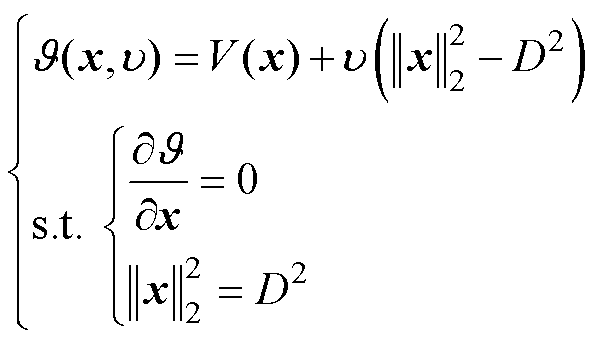 (21)
(21)
式中, 为拉格朗日乘法算子。
综上所述,图5给出了分布式学习复合Lyapunov函数方法的整体框架图。其中,分布式学习复合Lyapunov函数的主要设计以及训练流程如下:
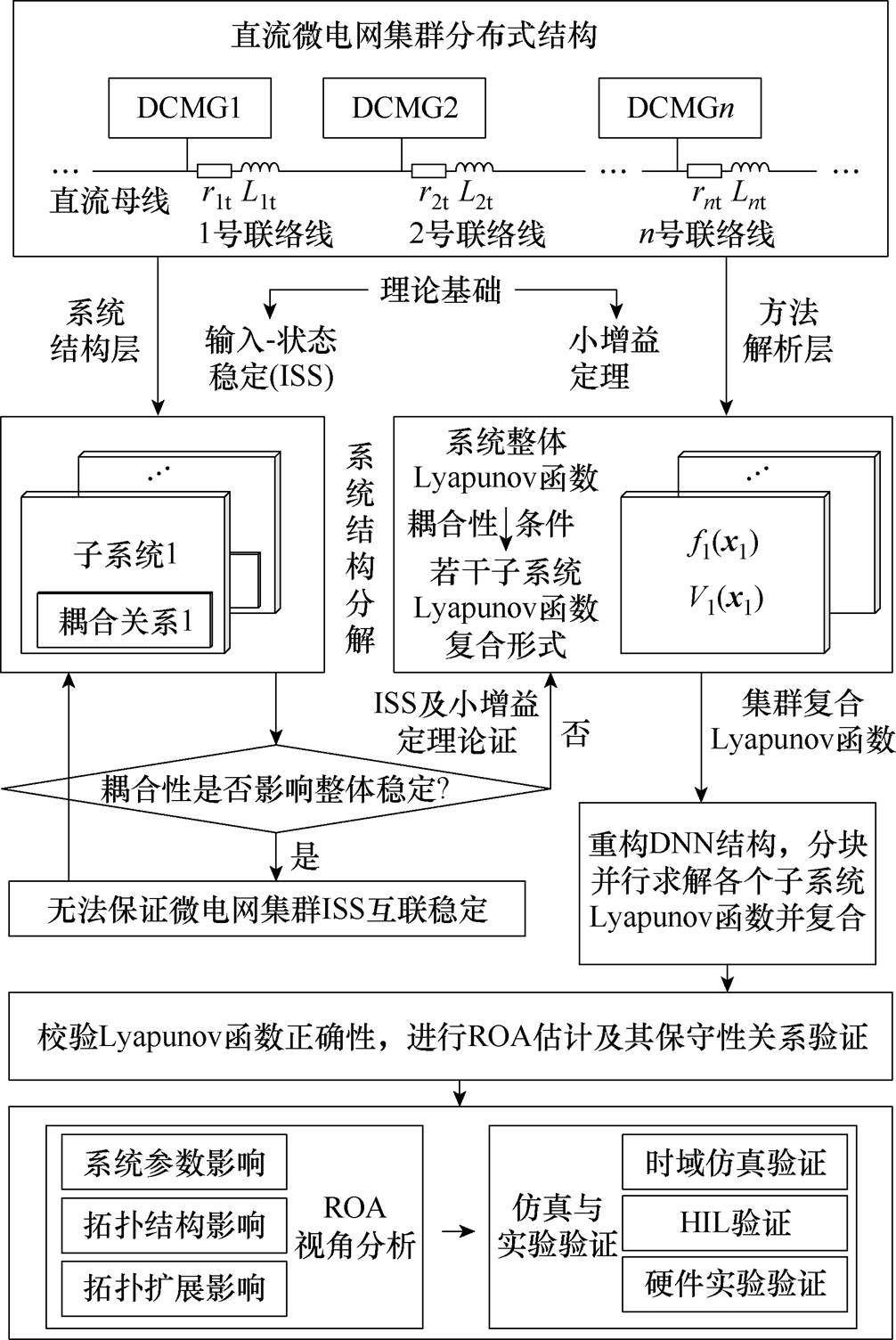
图5 分布式学习复合Lyapunov函数方法的框架
Fig.5 Framework of the distributed learning composite Lyapunov function method
(1)直流微电网集群动态模型预处理。建立集群系统状态方程,将系统的平衡点平移至空间原点,然后将集群系统拆解分若干子系统的耦合形式。
(2)分布式学习DNN模型构建。构建DNN模型,并根据分布式子系统状态变量和系统方程,进行“分块并行求解”子系统Lyapunov函数,在输出层将其复合在一起构成集群系统的Lyapunov函数。
(3)数据准备。根据Matlab中ODE求解器求解初始状态下系统方程的解,初始化系统状态变量样本数据范围Dx,然后生成随机均匀样本数据,数据量为p,以模拟状态变量空间。
(4)数据预处理。将样本数据空间构建为可迭代的数据集,并进行随机打乱和批量化处理,单批次数据量为Nbatch_size。
(5)迭代训练。循环遍历多个epoch,在每个epoch中,随机抽取一个批次数据量的样本数据,根据状态方程、式(9)和式(10),计算系统向量场f的数值,然后根据式(19)构建的自定义损失函数实时计算函数值 ,通过梯度下降算法Adam优化网络模型的训练参数,如此重复以最小化,达到训练设定的epoch时,停止迭代训练。
(6)输出结果。绘制重要维度上Lyapunov函数及其导函数三维图,根据测试点校验其正确性,进而估算ROA,并以此视角分析系统的大信号稳定性。
考虑图6的算例拓扑,为分析方便,将整体结构划分为由DCMG1、DCMG2和DCMG3组成的基本拓扑和由DCMG4、DCMG5和DCMG6在此基础上组成的扩展拓扑。首先考虑基本拓扑的分析,相应的系统参数和DNN网络结构参数分别见表1和表2。
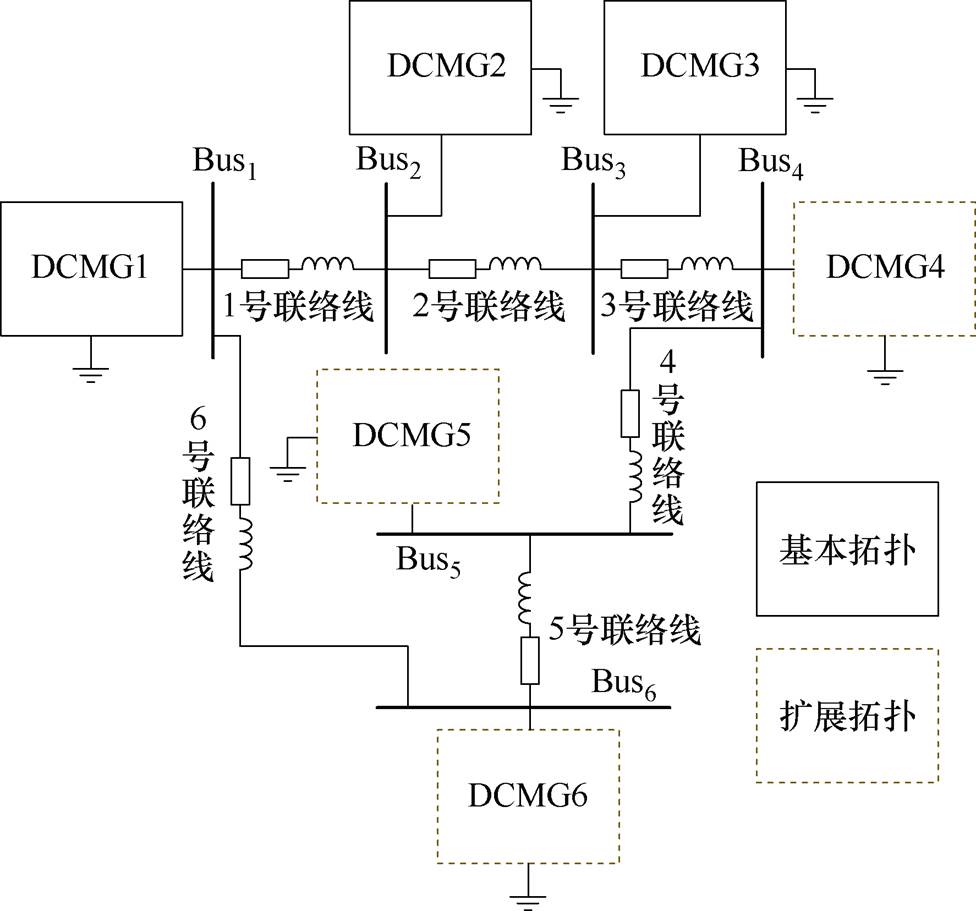
图6 直流微电网集群的算例拓扑
Fig.6 Case study topology of the DCMGC
根据算例及参数,图7和图8分别给出了分布式学习算法下的损失函数收敛曲线和基本拓扑中子系统1(DCMG1)的Lyapunov函数及导函数三维图。图8中,x1,1、x1,3分别为直流微电网1的输出电流i1与母线电压vbus1。类似地,也可得到子系统1和子系统2的三维图,结果初步符合Lyapunov函数特性。进一步地,为判定分布式学习算法所生成Lyapunov函数的优劣性,通过选取x1,1和x1,3两个维度,设置x1,1=3,x1,3=4作为测试点,校验在该点下Lyapunov函数是否严格符合单调递减特征。图9给出了Lyapunov函数的正确性校验结果,可知,分布式学习算法生成的Lyapunov函数符合严格单调递减特性。
表1 直流微电网集群模型参数
Tab.1 DCMGC model parameters
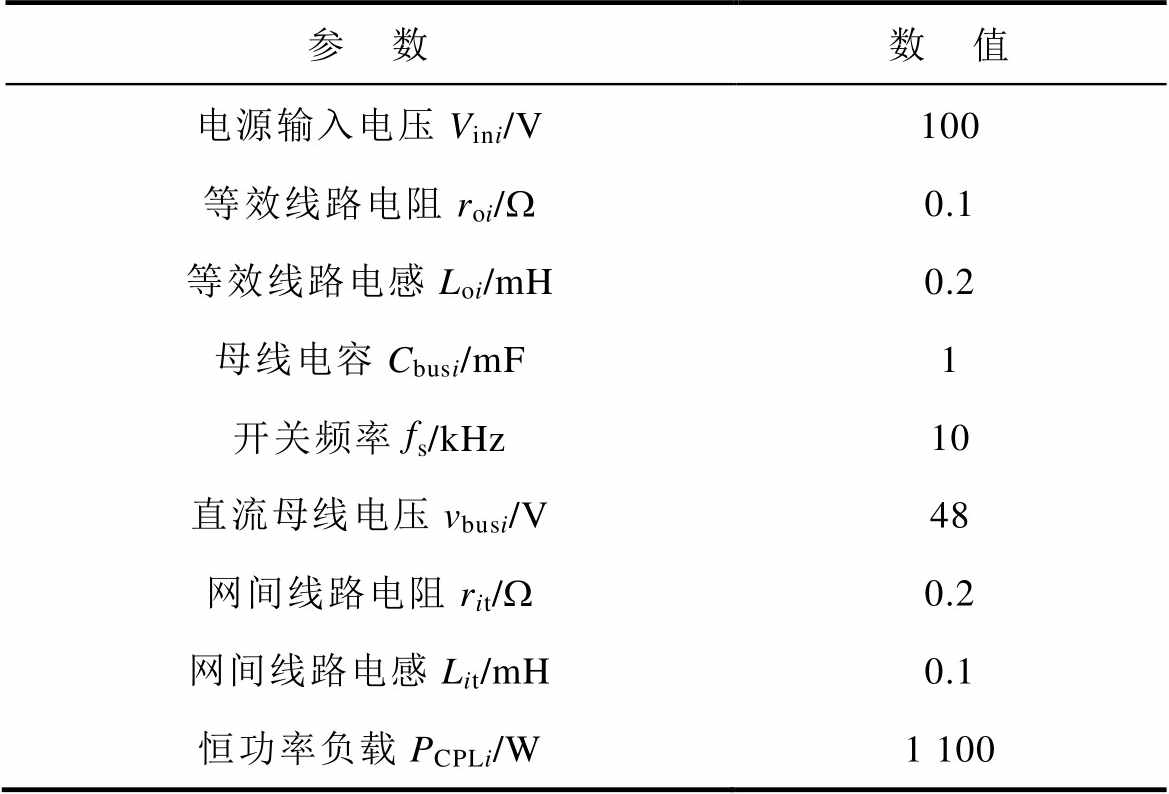
参 数数 值 电源输入电压Vini/V100 等效线路电阻roi/W0.1 等效线路电感Loi/mH0.2 母线电容Cbusi/mF1 开关频率fs/kHz10 直流母线电压vbusi/V48 网间线路电阻rit/W0.2 网间线路电感Lit/mH0.1 恒功率负载PCPLi/W1 100
注:i=1, 2, 3。
表2 分布式学习DNN网络结构参数
Tab.2 Distributed learning of DNN network structure parameters
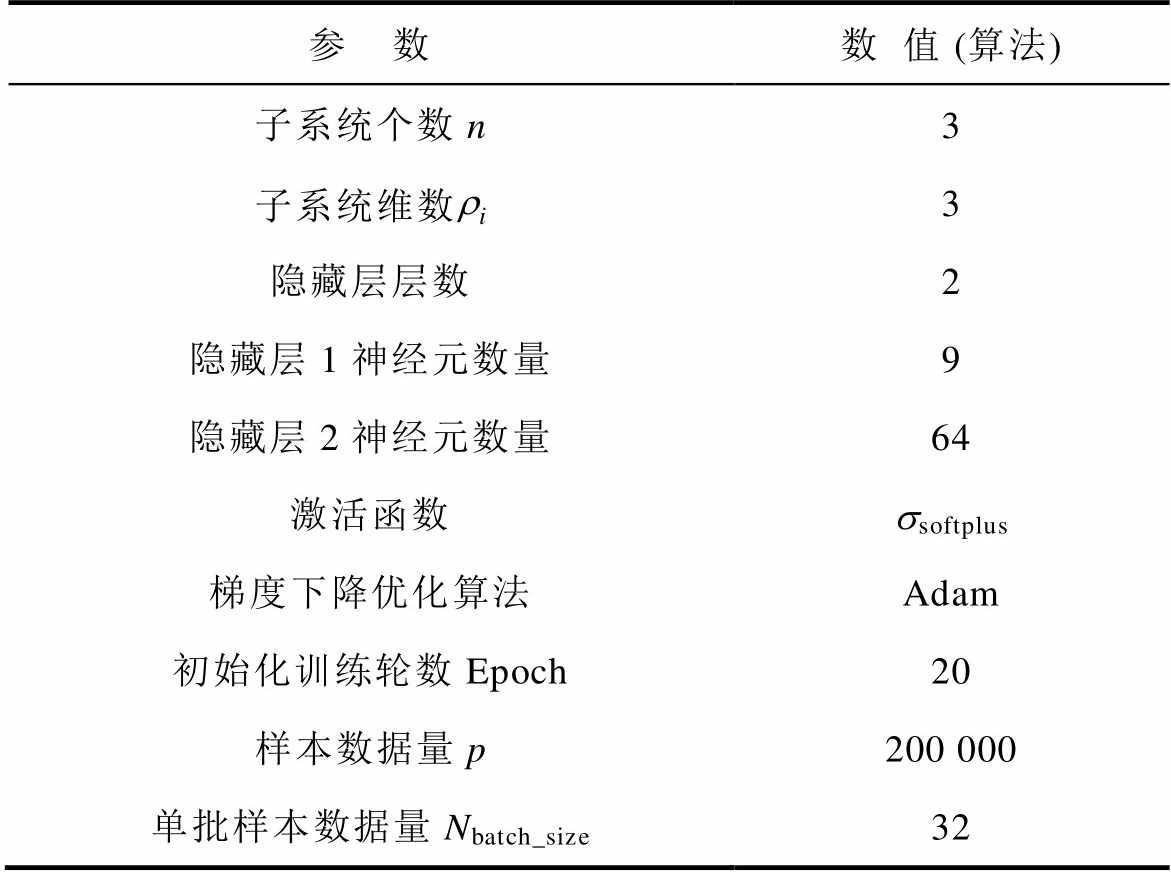
参 数数值 (算法) 子系统个数n3 子系统维数ri3 隐藏层层数2 隐藏层1神经元数量9 隐藏层2神经元数量64 激活函数ssoftplus 梯度下降优化算法Adam 初始化训练轮数Epoch20 样本数据量p200 000 单批样本数据量Nbatch_size32
注:i=1, 2, 3。
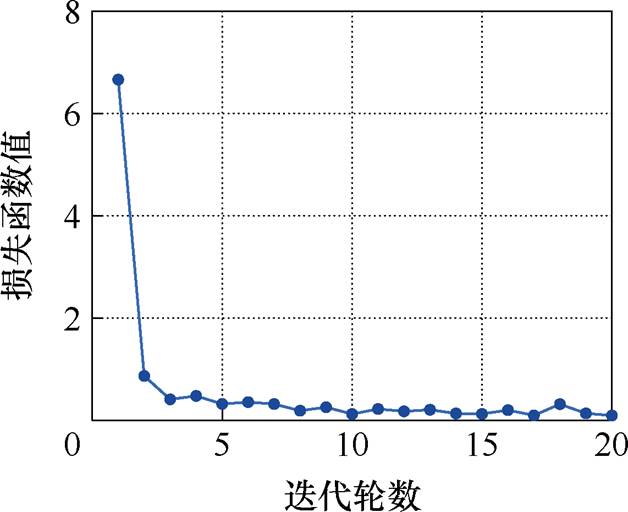
图7 分布式学习训练损失函数曲线
Fig.7 Distributed learning training loss function graph
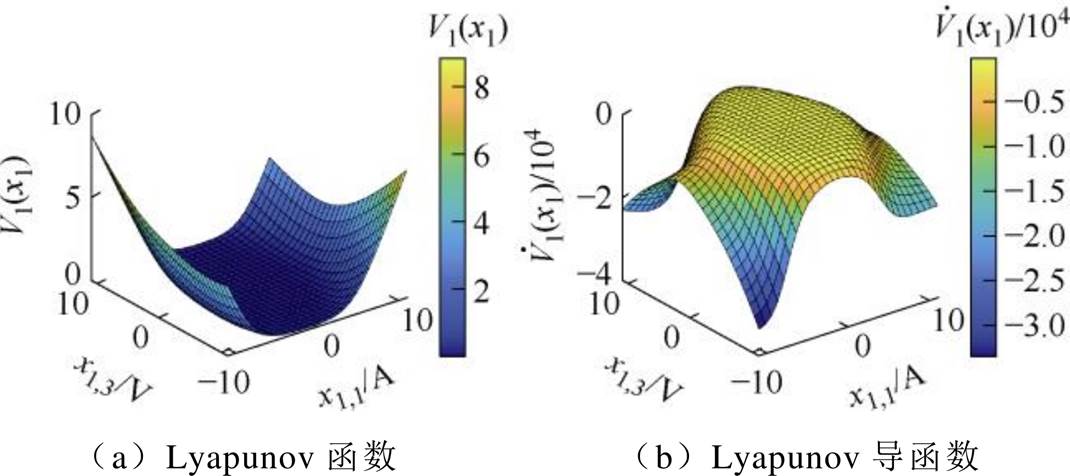
图8 基本拓扑下的Lyapunov函数及其导函数三维图
Fig.8 Three-dimensional plot of the Lyapunov function and its derivatives in the basic topology
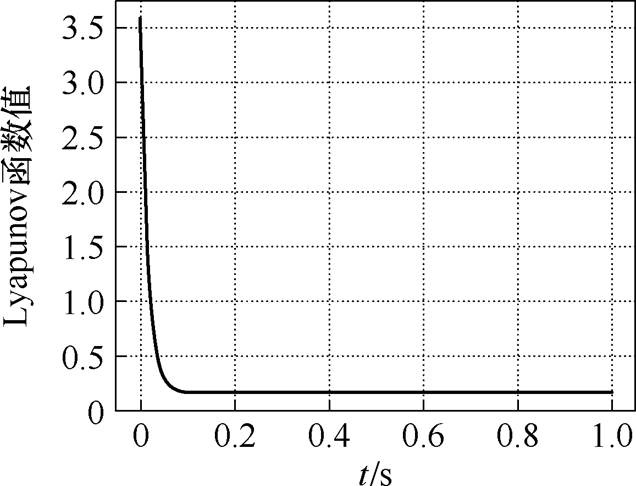
图9 Lyapunov函数正确性校验
Fig.9 Verification of Lyapunov function correctness
为进一步分析集群系统中关键电路参数如恒功率负载PCPLi、等效线路电感Loi、母线电容Cbusi和网间线路电感Lit等关键电路参数对系统的大信号稳定性影响,图10a~图10d分别给出了PCPLi、Loi、Cbusi和Lit对系统ROA影响趋势的变化。由图10可知,在参数取值范围内,恒功率负载PCPLi和等效线路电感Loi对系统稳定区间具有负面影响;而增加母线电容Cbusi则更有利于系统稳定;网间线路电感对系统ROA的影响不明显。
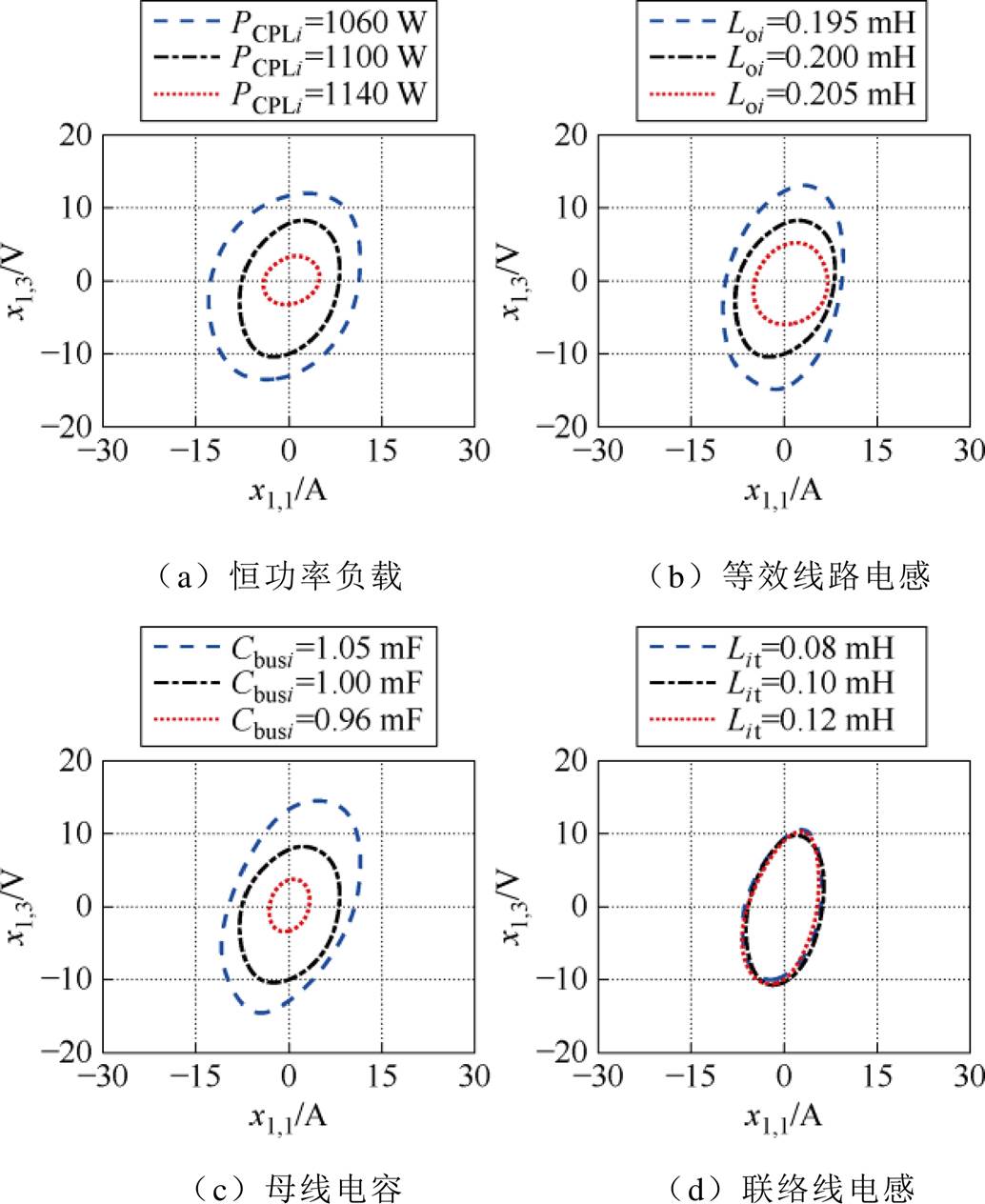
图10 关键电路参数对系统ROA的影响
Fig.10 The impact of key circuit parameters on the ROA
为测试分布式学习复合Lyapunov函数方法在拓扑扩展分析上的可行性,进一步考虑拓展拓扑算例,图11和图12分别给出了扩展拓扑视角下的Lyapunov函数及其导函数三维图和扩展前后ROA区域变化。由图可知,分布式学习方法在拓扑扩展条件下也能有效构建系统的Lyapunov函数。同时,随着微电网耦合数量的增加,反映大信号稳定性的ROA呈缩小趋势。
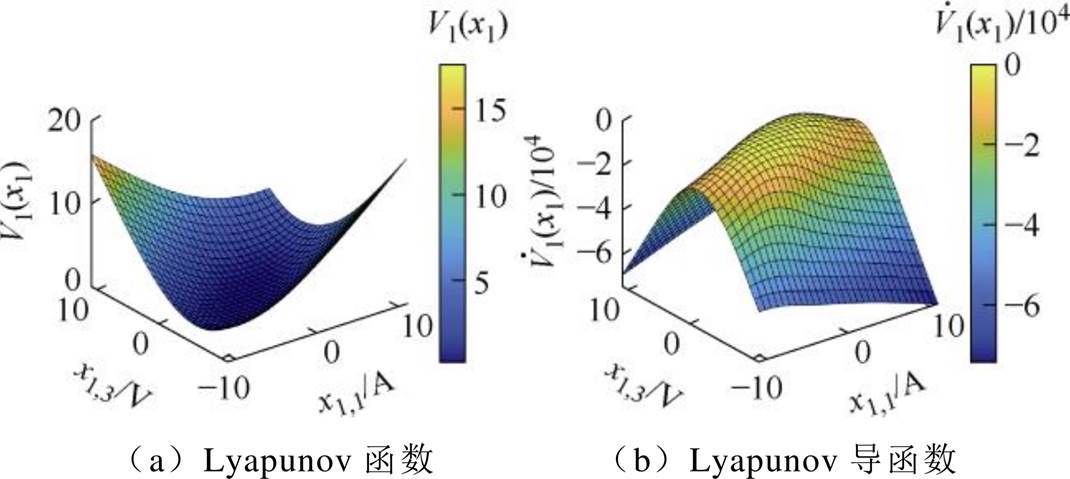
图11 扩展拓扑下的Lyapunov函数及导函数的三维图
Fig.11 Three-dimensional plot of the Lyapunov function and its derivatives in the extended topology
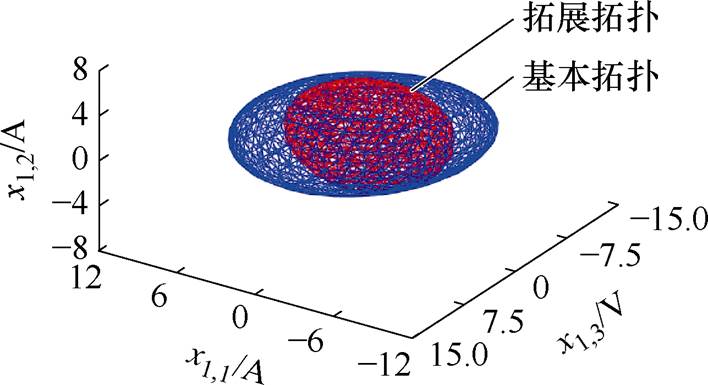
图12 扩展拓扑与基本拓扑ROA的对比
Fig.12 Comparison of the ROA of the extended topology and the basic topology
为进一步明确不同方法之间的差异,选择目前应用中较广泛的基于ROA(吸引域)信息的T-S方法和基于稳定性判据推导的混合势函数法作为比较对象,以进行对比分析。
首先,根据算例模型,运用T-S方法构造出的Lyapunov函数及ROA为
 (22)
(22)
 (23)
(23)
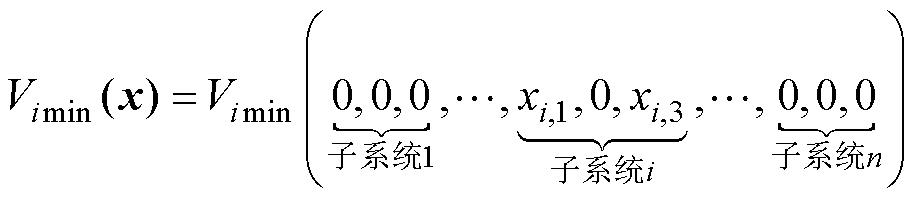 (24)
(24)
图13给出了分布式学习复合Lyapunov函数方法和T-S方法下ROA的对比结果。可知,相对于T-S方法估计的ROA,所提分布式方法具有较低的保守性。
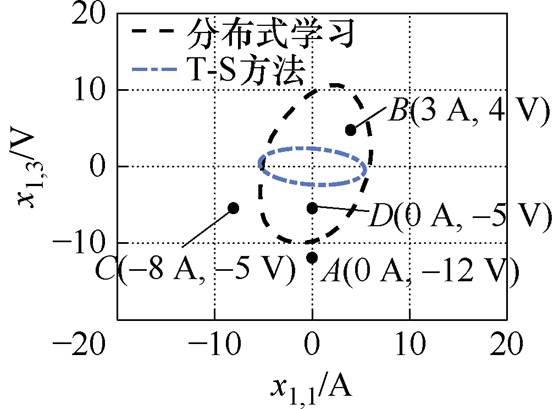
图13 分布式学习和T-S方法的ROA对比
Fig.13 Comparison of the ROA between the distributed learning and T-S methods
同时,考虑系统中某两个状态变量,如直流微电网1输出电流i1(x1,1)和母线电压vbus1(x1,3)。在图13中选取A、B、C和D四个测试点,测试ROA内外不同初始点下的系统状态轨迹变化情况,以验证ROA的准确性和保守性关系。
图14a~图14d分别给出了初始点A、B、C和D对应的系统状态轨迹变化。由图14可知,A点和C点位于分布式学习方法和T-S模糊建模法所估计ROA的外侧,B点和D点位于两者ROA之间;时域仿真结果表明,在初始扰动点A和点C下,系统轨迹趋于发散,而在初始扰动点B和点D下,系统轨迹则最终收敛至平衡点,进一步验证了分布式学习方法具有相对较低的保守性。
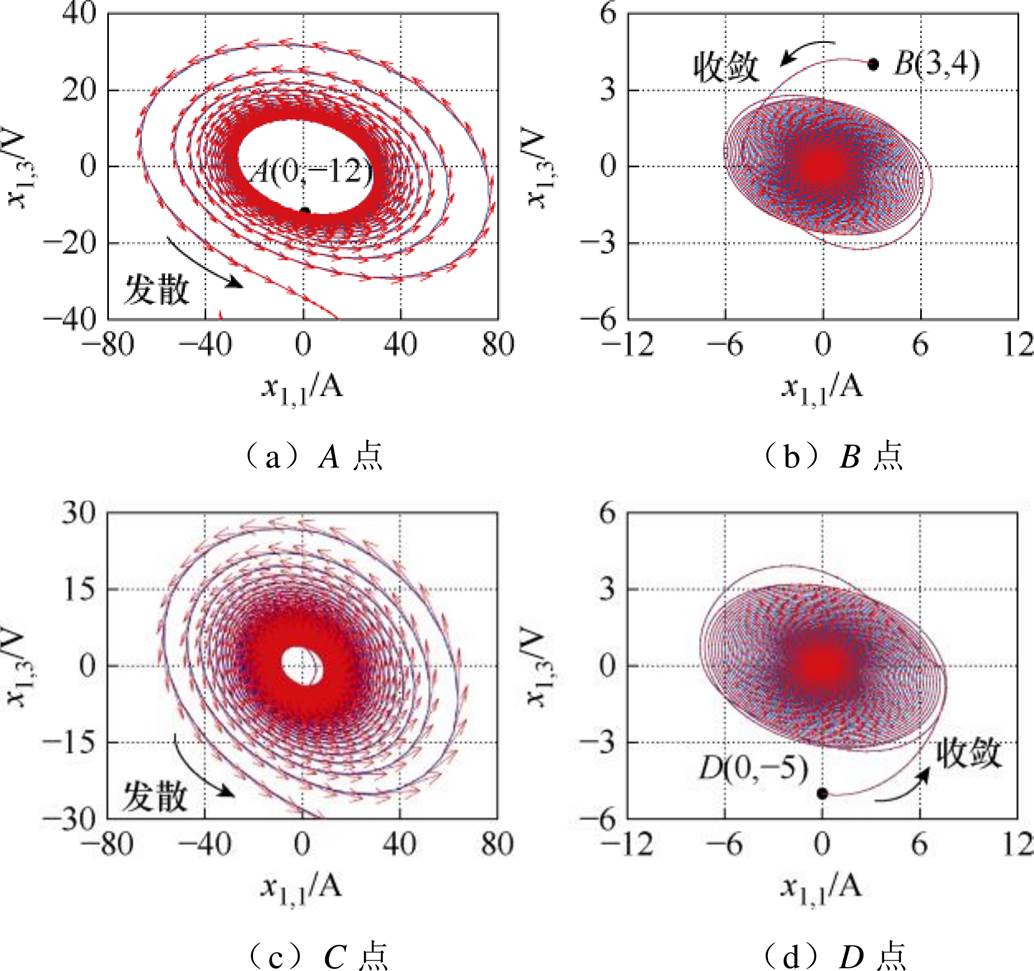
图14 测试点对应时域仿真验证
Fig.14 Time-domain simulation verification of test points
对于混合势函数法,根据算例模型可推导出系统的大信号稳定性判据为
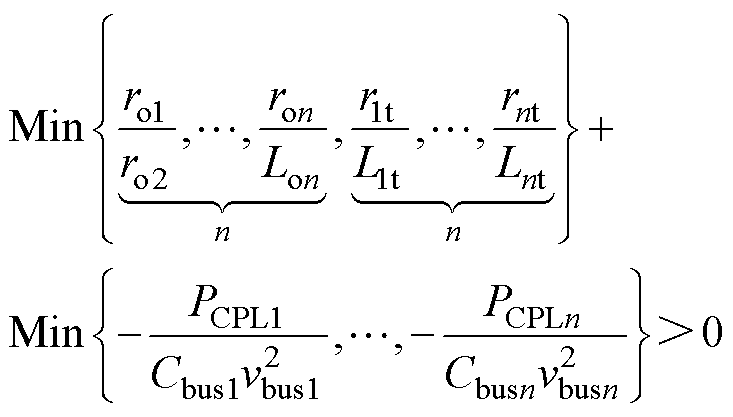 (25)
(25)
将系统参数代入式(25)可得出系统大信号稳定条件为PCPLi<1 152 W,而根据图13中分布式学习方法对应的ROA可大致估算出系统稳定的PCPLi边界为1 316.1 W,图15直观地给出了分布式学习和混合势函数法所求稳定性结果的比较,同样说明所提分布式学习与之相比具有更低的保守性。
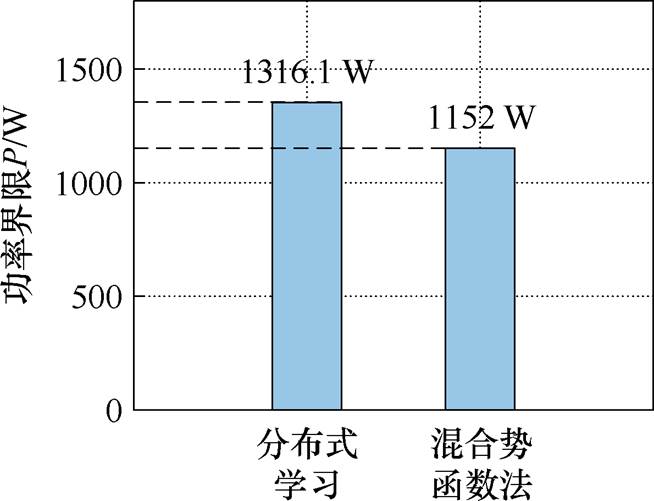
图15 分布式学习和混合势函数法的功率边界比较
Fig.15 Comparison of power boundaries between the distributed learning and mixed potential function
为验证基于所提分布式学习复合Lyapunov函数的直流微电网集群大信号稳定性分析结果的正确性,搭建了包含三个直流微电网在内的直流微电网集群硬件在环实验(Hardware-in-the-Loop, HIL)平台。图16a和图16b分别为HIL实验平台照片和HIL实验流程。实验参数见表1。
首先,图17为恒功率负载不同程度阶跃响应下的HIL实验结果。其中,图17a~图17c分别为负载功由PCPLi=1 100 W阶跃至PCPLi=1 152 W(混合势函数法所求功率边界)、PCPLi=1 320 W(临界稳定情况,分布式学习方法所求边界为PCPLi=1 316.1 W)和PCPLi=1 332 W(大幅振荡)时的情况。可知,当恒功率负载超出集群系统临界功率稳定界限PCPLi= 1 320 W后,阶跃至PCPLi=1 332 W时,母线电压和输出电流波形开始大幅度振荡,系统进入不稳定运行状态,验证了恒功率负载功率越大,集群系统稳定裕度越小。同时,实际致使集群系统波形振荡的界限略大于分布式学习方法所估计界限,表明分布式学习方法所估计边界的保守性在可接受范围之内。
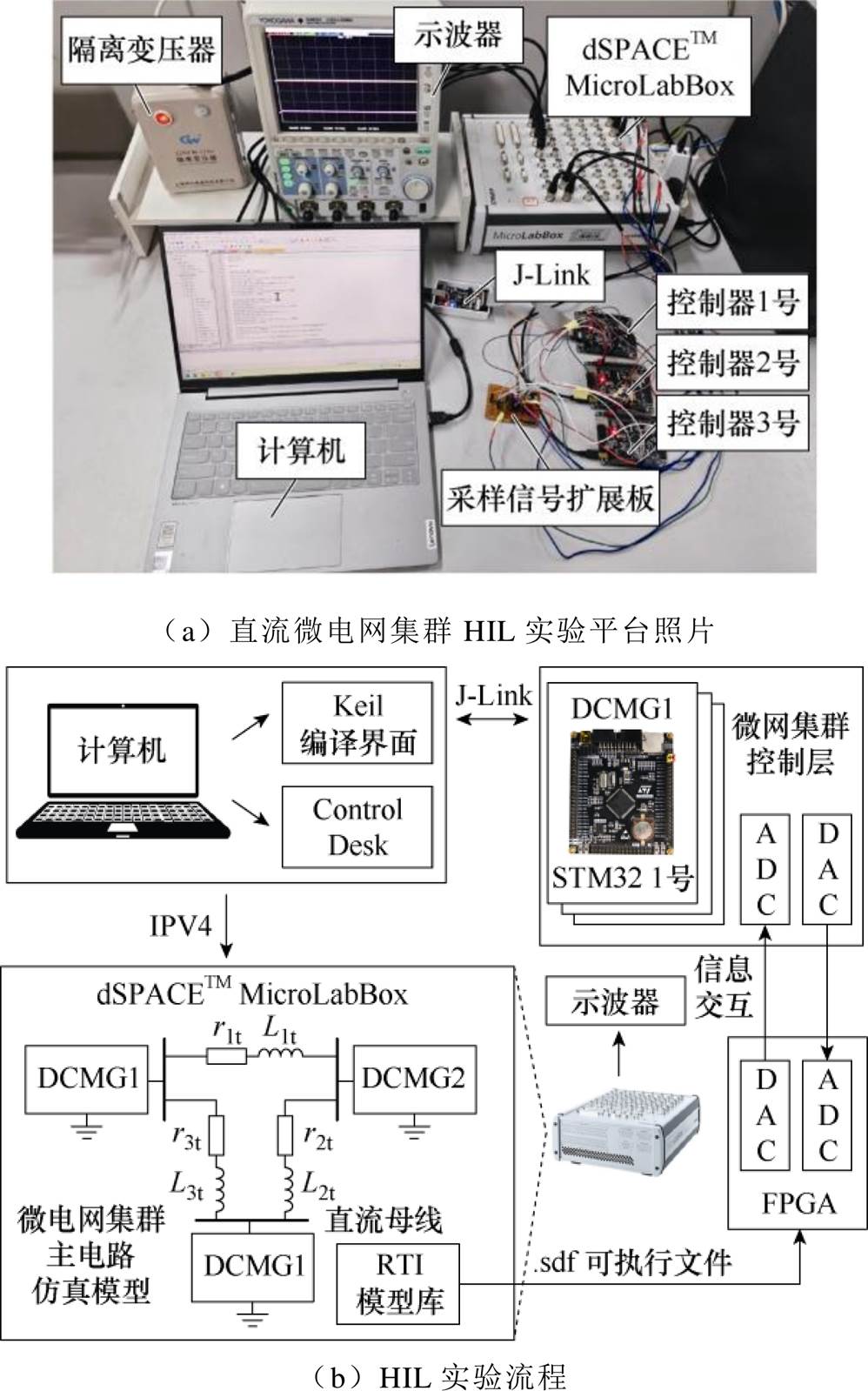
图16 直流微电网集群HIL实验架构
Fig.16 HIL experimental structure of the DCMGC
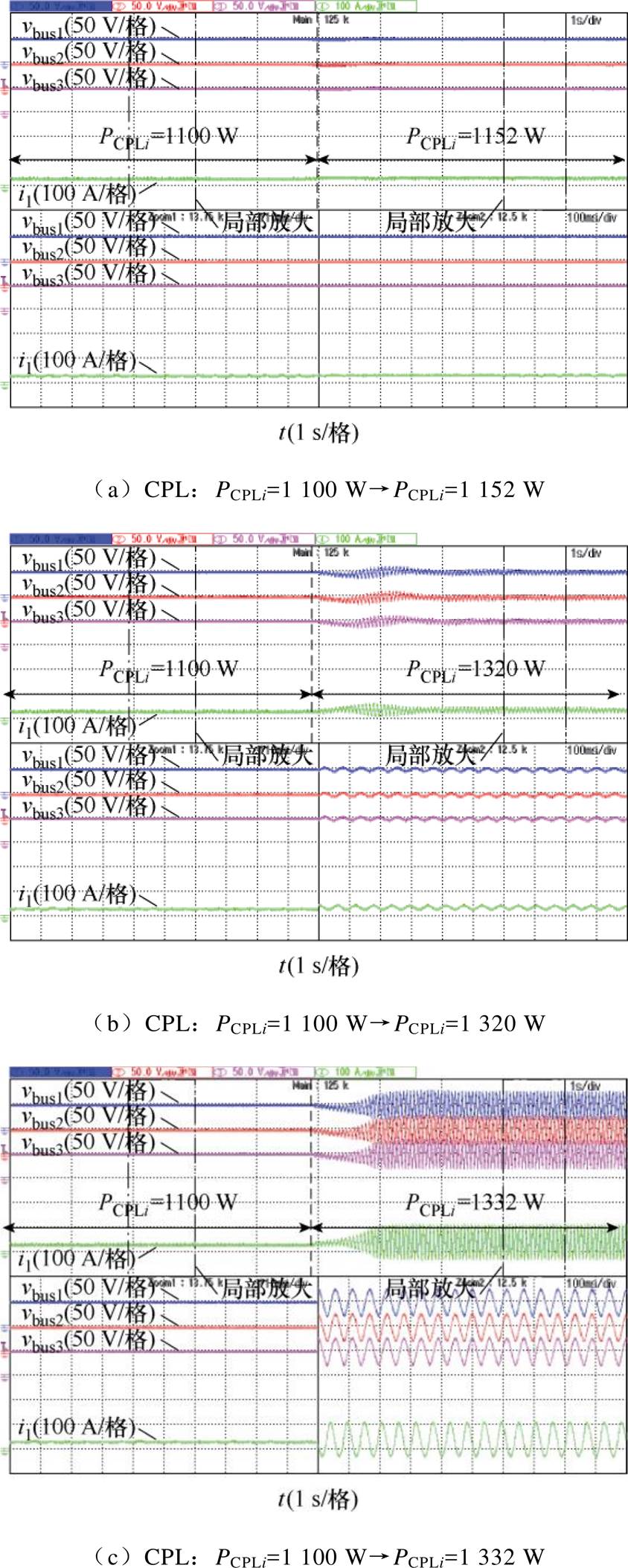
图17 不同程度恒功率负载阶跃响应实验结果
Fig.17 Experimental results of step response of constant power loads of different degrees
其次,图18所示为集群系统处于不同拓扑结构时,对系统大信号稳定性影响的验证结果。其中,图18a和图18b分别为环形拓扑和链形拓扑结构下的系统响应波形。由图18可知,环形和链形拓扑结构下,系统的稳定边界基本一致,拓扑结构对集群系统稳定性无明显影响。
然后,针对网内等效线路电感Loi、母线电容Cbusi和网间联络线电感Lit等参数对系统大信号稳定性的验证思路为:在同一工况(恒功率负载由PCPLi= 1 100 W阶跃至临界功率稳定点PCPLi=1 320 W),仅改变某一参数,以验证该参数变化对系统稳定性的影响,结果如图19所示。图19中,左列波形为对照组(表1所列系统默认参数),右列为对应参数变化后的波形。由图19a、图19b可知,当网内等效线路电感Loi由0.20 mH增加至0.25 mH后,负载功率阶跃至原先功率边界PCPLi=1 320 W,系统波形开始大幅度振荡,表明Loi增加会降低系统的稳定性;由图19c、图19d可知,母线电容Cbusi减小,系统稳定性降低;由图19e、图19f可知,网间联络线电感Lit对系统稳定性无明显影响。
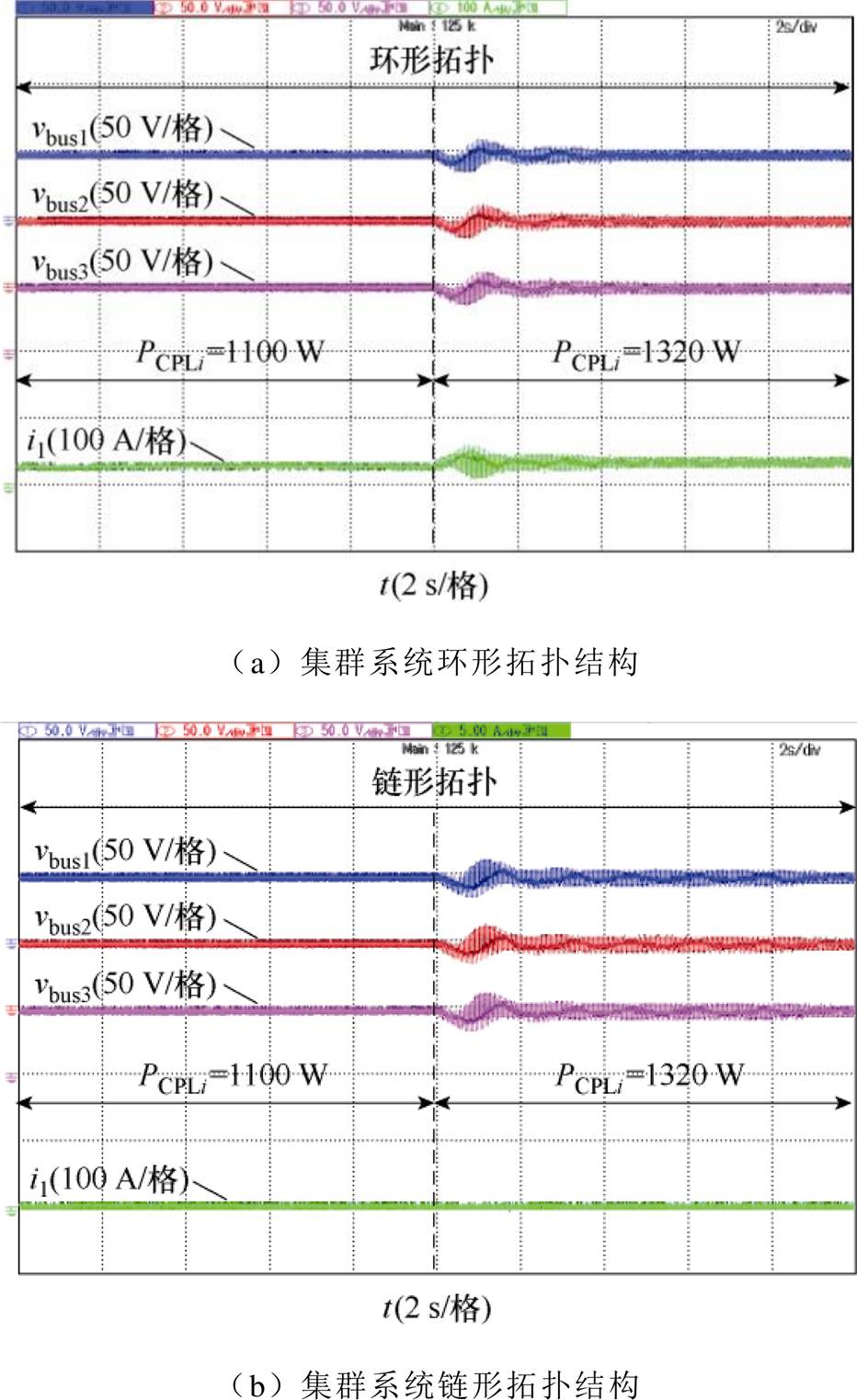
图18 拓扑结构变化对系统大信号稳定性的影响验证
Fig.18 Verification of the influence of topology changes on the large-signal stability
最后,为充分验证所提方法分析结果的有效性,将PCPLi初始值设置为临界稳定功率值1 320 W(临界工况),每次仅改变某一系统参数初始值,其余参数保持不变,以充分验证在临界稳定工况下,不同参数变化对系统稳定性的影响。图20给出了网内等效线路电感Loi、母线电容Cbusi和网间联络线电感Lit等参数对系统大信号稳定性影响的验证结果。所得结论与图19保持一致,二者从不同工况和角度进行了详细验证。
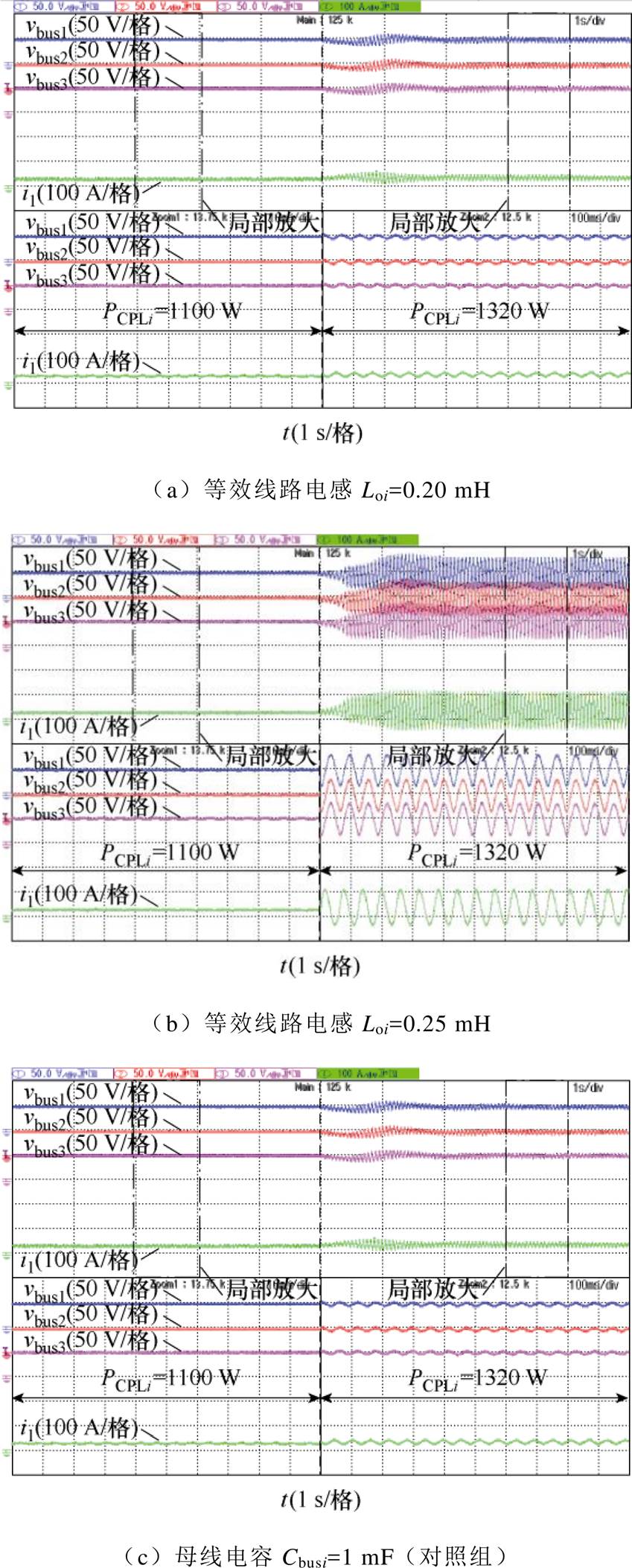
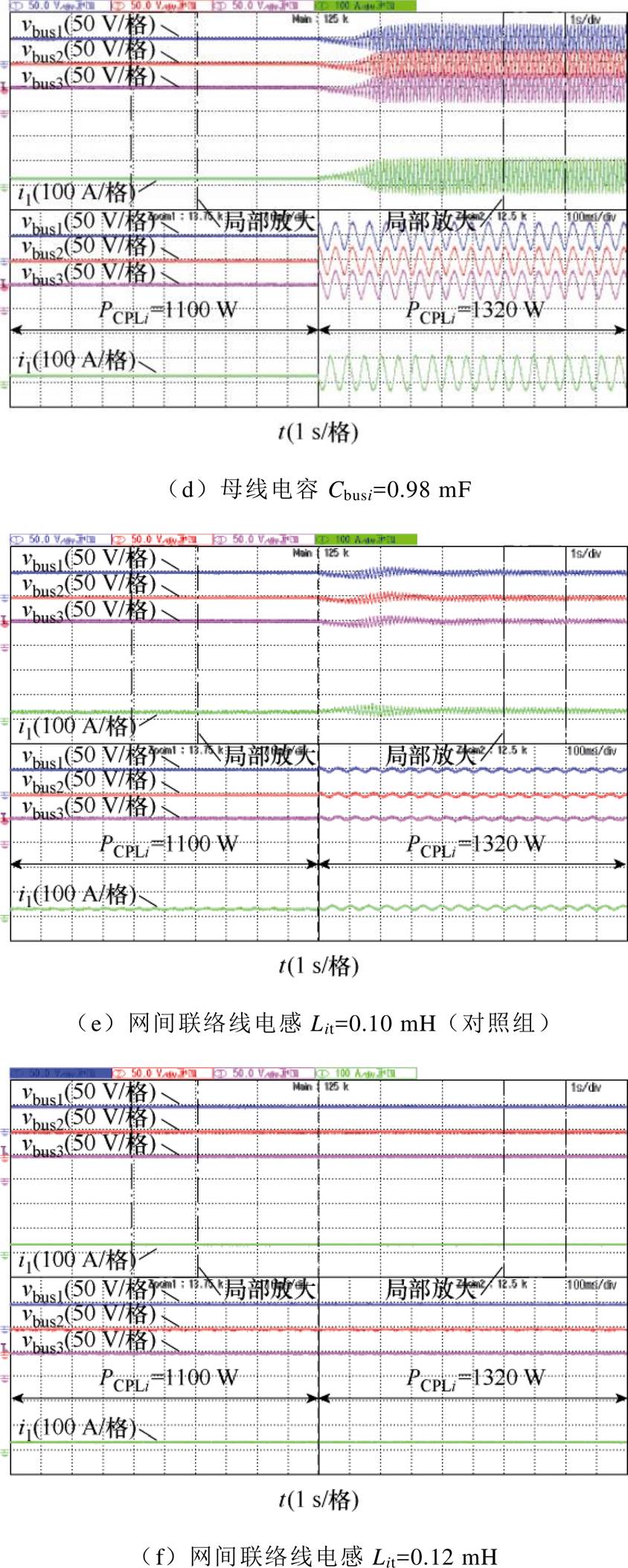
图19 不同参数单一变化下对系统稳定性影响的验证:PCPLi=1 100 W→PCPLi=1 320 W(临界)
Fig.19 Verification of the influence of different parameters on system stability under single change: PCPLi=1 100 W→PCPLi=1 320 W (critical)
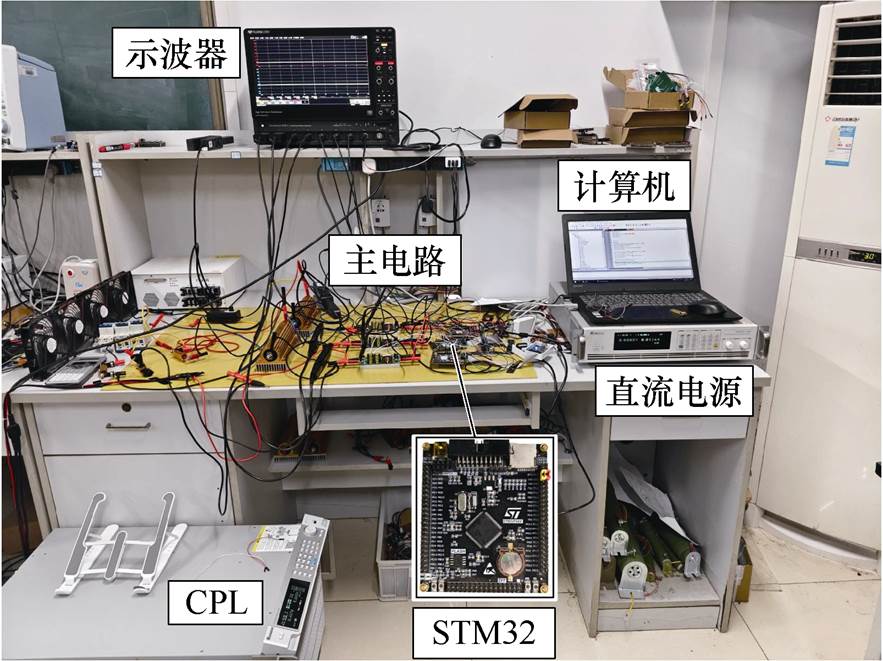
为进一步验证所提分析方法的有效性,搭建了如附图1所示的直流微电网集群小型硬件实验平台,其对应的实验接线如图21所示。
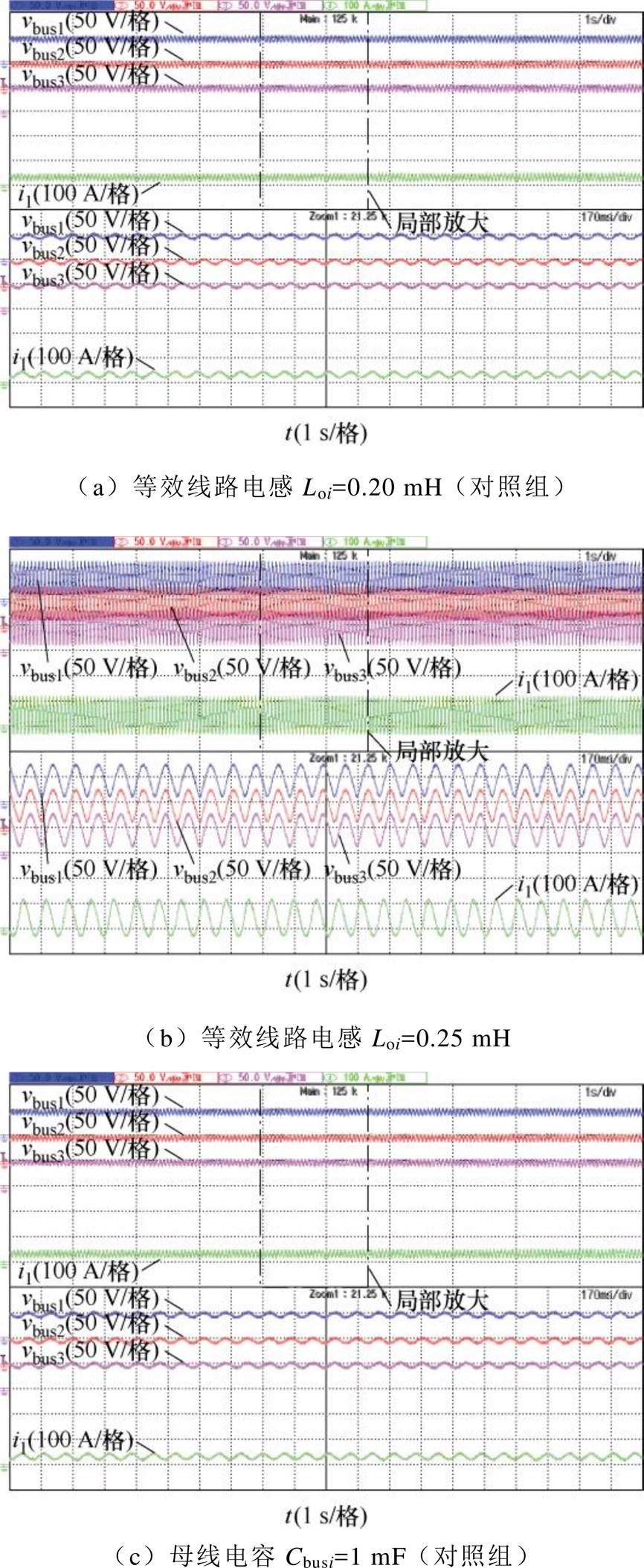
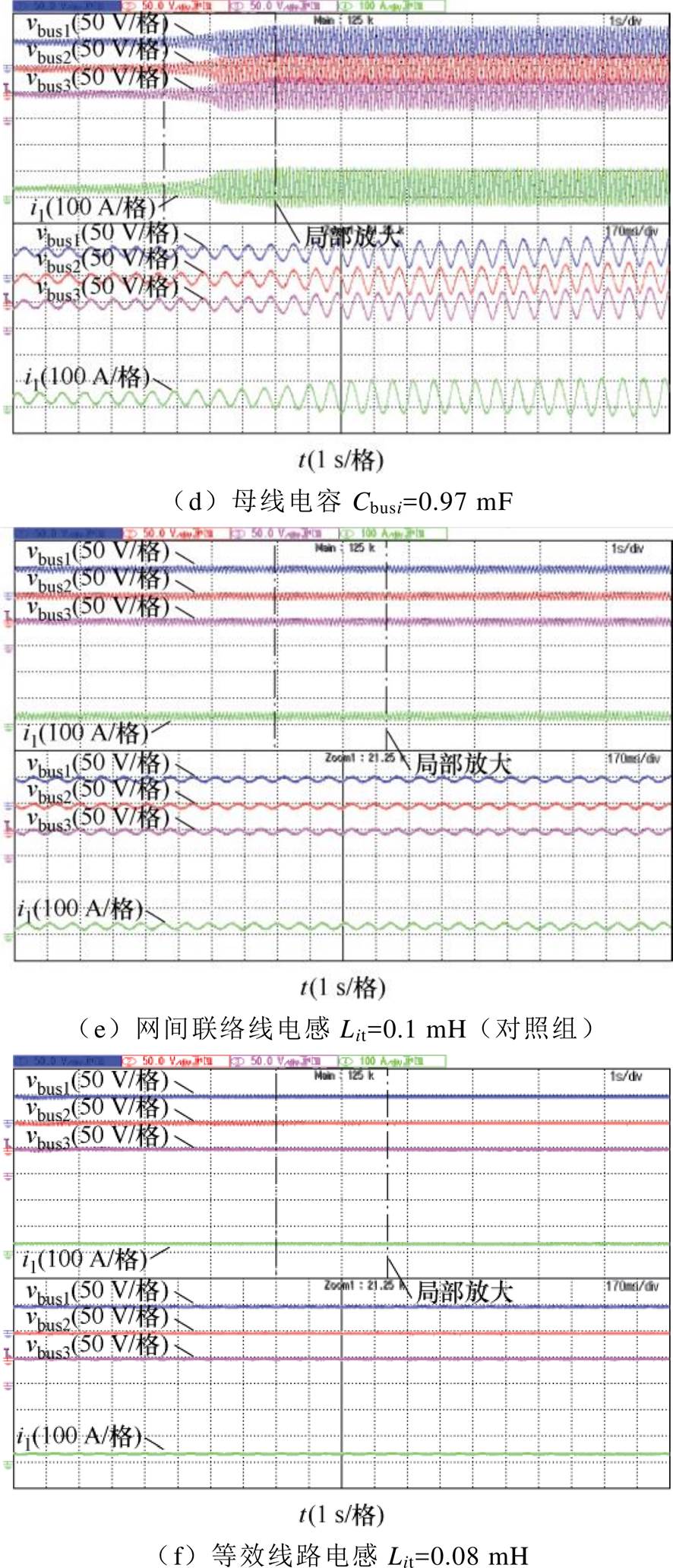
图20 临界工况(PCPLi=1 320 W)下不同参数变化对系统稳定性影响的验证
Fig.20 Verification of the influence of different parameter changes on system stability under critical conditions (PCPLi=1 320 W)
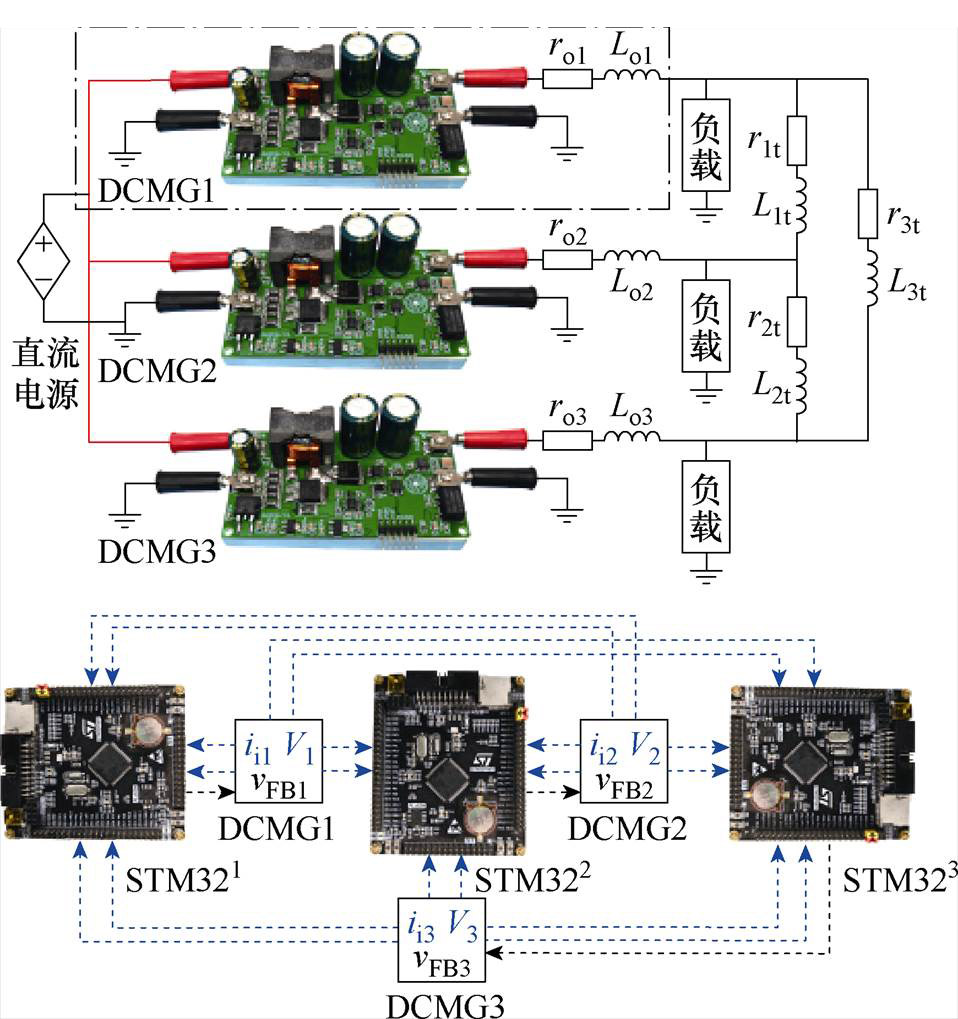
图21 直流微电网集群实验实物接线示意图
Fig.21 Schematic diagram of the physical wiring of the DCMGC experiment
平台主要由直流电源、Buck型功率变换主电路、STM32控制器、电子负载、计算机和示波器等组成。全局功率均衡控制算法在STM32控制器中实现,并产生PWM驱动信号,输出电压、电流信号经过采样和调理电路反馈至STM32控制器,以实现闭环运行。
图22为在全局功率均衡控制下系统的响应波形。在初始阶段未加入网间功率均衡控制,三个网在网间自然功率流动下处于稳态运行,三个网的输出功率依次为48、96和144 W;在满足稳定性的条件下,启动全局功率均衡控制后,各个子网实现了相同的功率出力。
图23给出了恒功率负载阶跃下的瞬态响应实验波形。其中,总功率需求PT为三个子网负载功率之和,图23a和图23b分别为PT由初始288 W阶跃至432 W和576 W时的瞬态响应波形。由图23可知,当阶跃范围较小时,系统能够保持稳定运行,而当恒功率负载阶跃范围超出稳定运行边界时,系统母线电压和输出电流波形开始大幅度振荡,验证了恒功率负载对系统稳定边界的影响趋势。
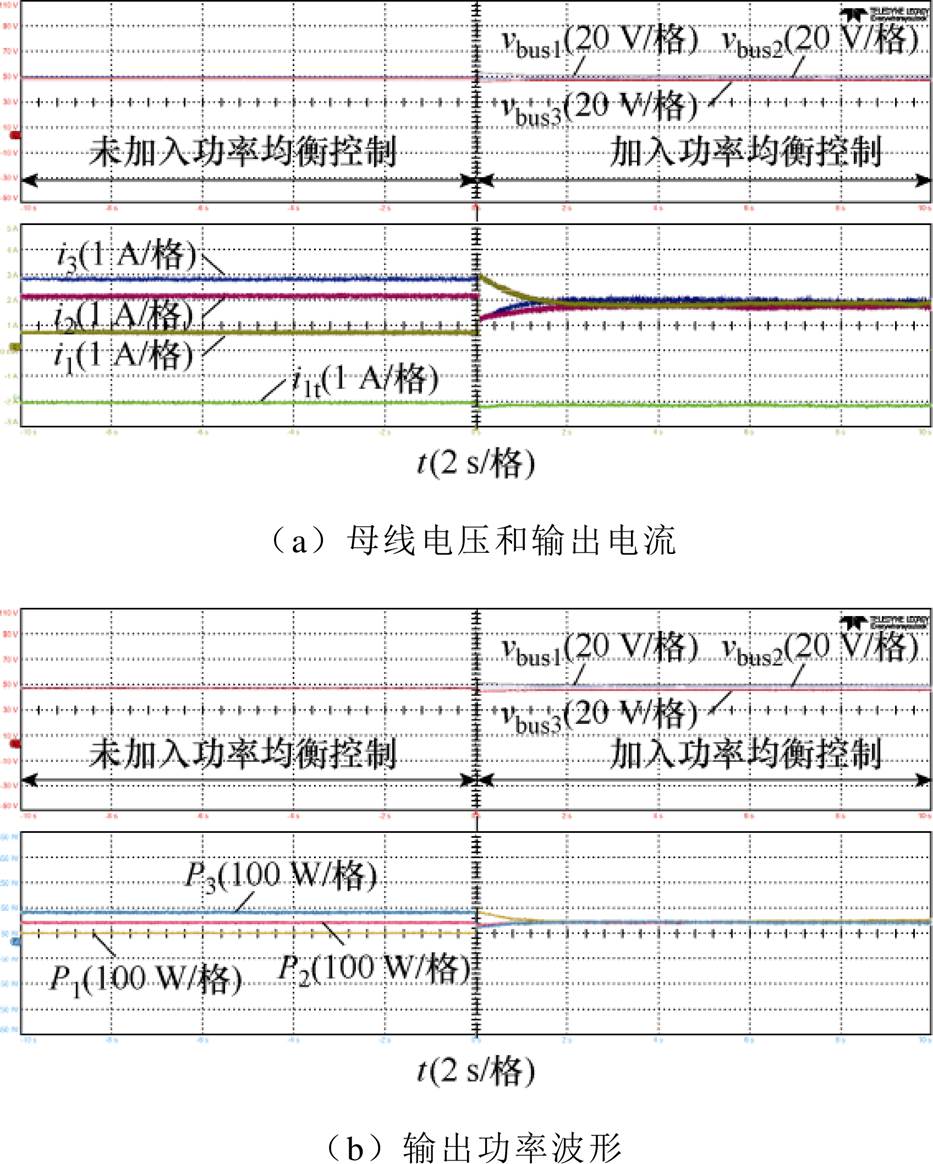
图22 功率均衡控制的实验结果
Fig.22 Experimental results of the power sharing control
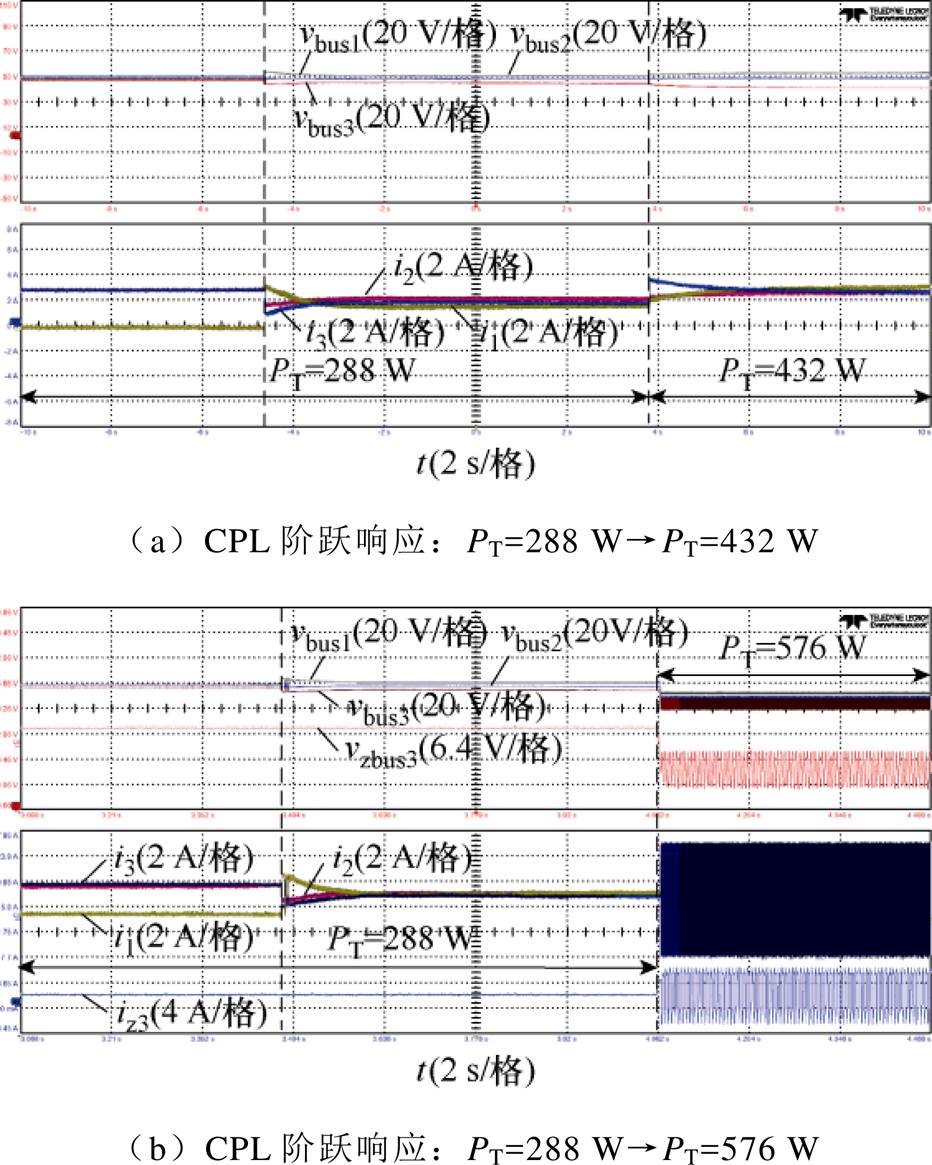
图23 恒功率负载阶跃瞬态响应
Fig.23 Transient responses to CPL steps
本文以多个直流微电网构成的直流微电网集群作为研究对象,提出一种基于分布式学习复合Lyapunov函数的直流微电网集群大信号稳定分析方法,根据理论分析与实验结果可得出如下结论:
1)所提分布式学习复合Lyapunov方法,通过数据驱动和Lyapunov函数理论相结合,并考虑直流微电网集群系统模型分布式特征,在局部状态空间中,“分块并行求解”各个子系统Lyapunov函数,结果表明具有良好可解性。
2)所提分布式学习复合Lyapunov函数分析结果与现有基于ROA(吸引域)判断稳定性的T-S方法和基于判据推导的混合势函数法相比,具有更低的分析保守性。
附 录
为使论证更具一般性,考虑更为通用的ZIP(Z—constant impedance load (CIL), I—constant current load (CCL), P—constant power load (CPL))负载模型,并且将直流微电网集群数学模型建立如下
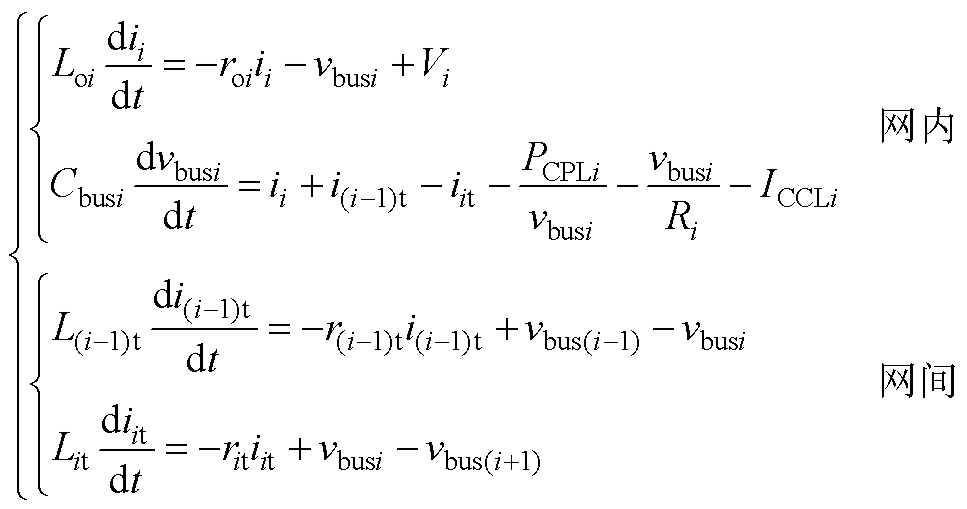 (A1)
(A1)
式中,Ri为负载电阻;ICCLi为恒流负载电流;PCPLi为恒功率负载功率。
以DCMGi为中心,列写出与模型式(A1)等价的第i个子系统分布式大信号模型,如下
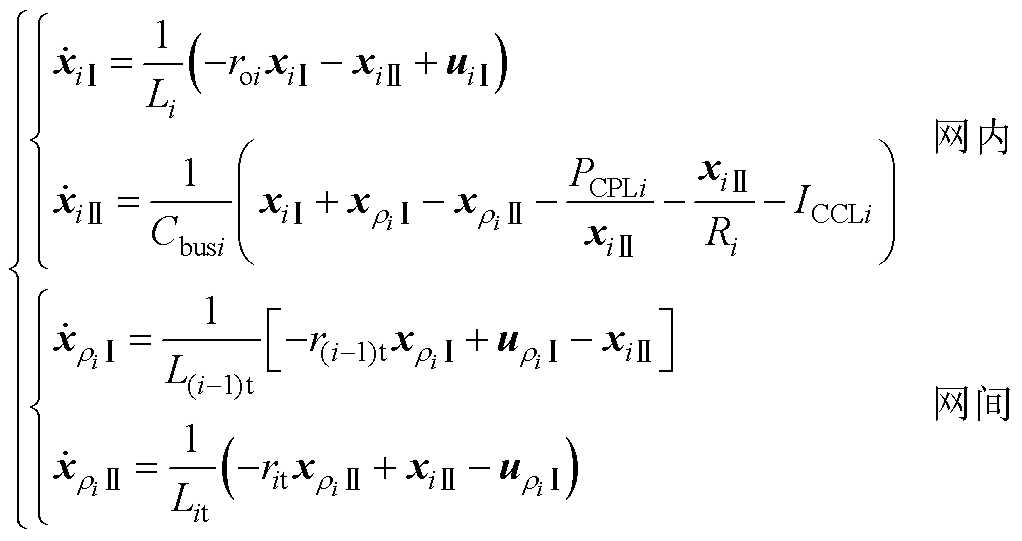 (A2)
(A2)
式中, 、
、 、
、 、
、 分别为
分别为 、
、 、
、 、
、 ;扰动输入量
 、
、 分别为
分别为 、相邻网间的直流母线电压偏差。
根据模型式(A2),直接构造出DCMGi本地动态ISS-Lyapunov函数为
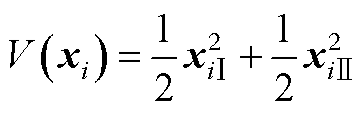 (A3)
(A3)
式中,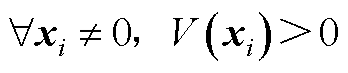 ;
;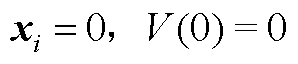 。
。
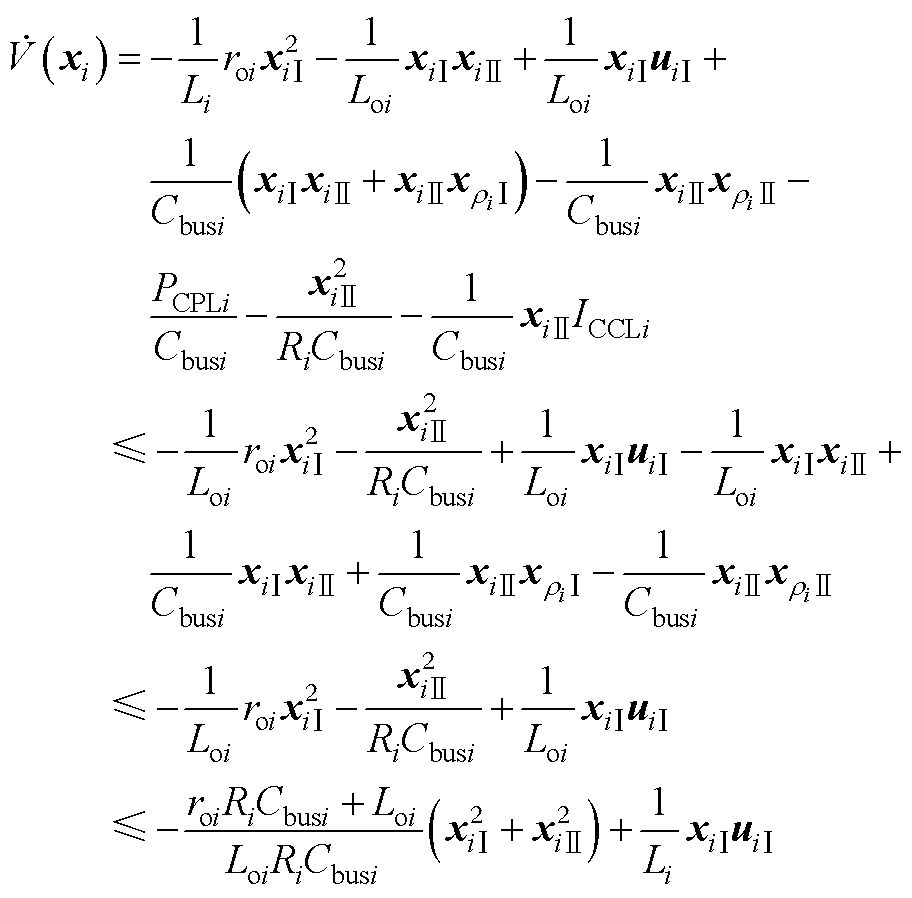
基于Lyapunov函数性质,需对其进行导数运算,即对式(A3)求导可得
 (A4)
(A4)
其中
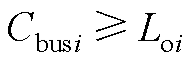
为了确保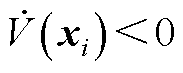 ,将式(A4)重写为
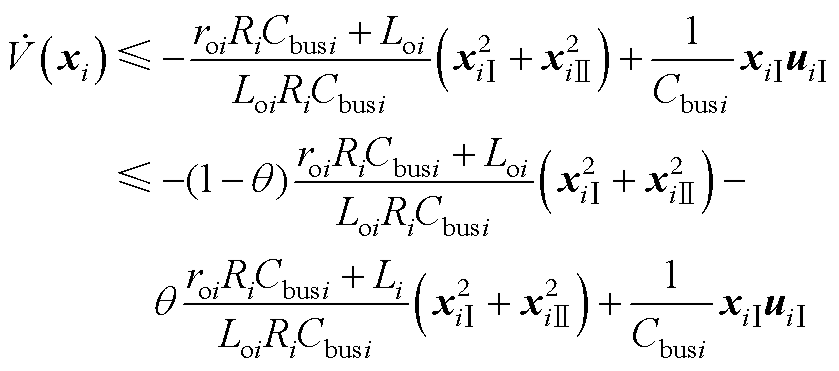 (A5)
(A5)
式中,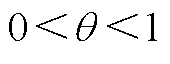 。
。
若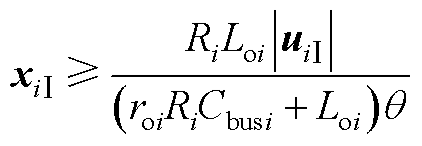 、
、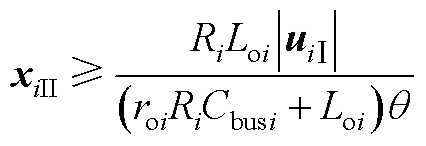 或
或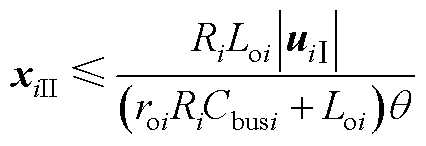 ,则
,则
 (A6)
(A6)
上述条件可表示为
 (A7)
(A7)
利用1-范数 ,并定义
,并定义 类函数
类函数 为
为
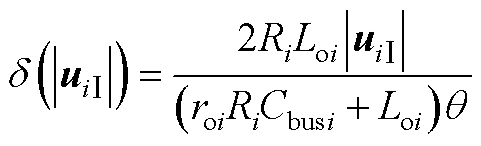 (A8)
(A8)
由此可知,当
 (A9)
(A9)
时,满足不等式(12)。因此,DCMGi本地子系统是 ISS的。
由于是正定的,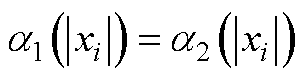 。因此,能够得到DCMGi本地动态子系统增益函数
 为
为
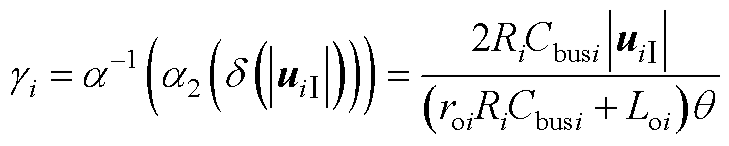 (A10)
(A10)
同理,根据模型式(A2),可直接构造出DCMGi耦合动态的ISS-Lyapunov函数为
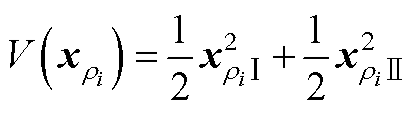 (A11)
(A11)
式中,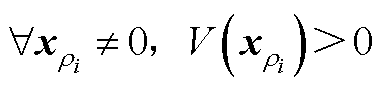 ;
;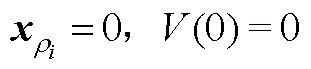 。
。
对式(A11)进行求导运算可得
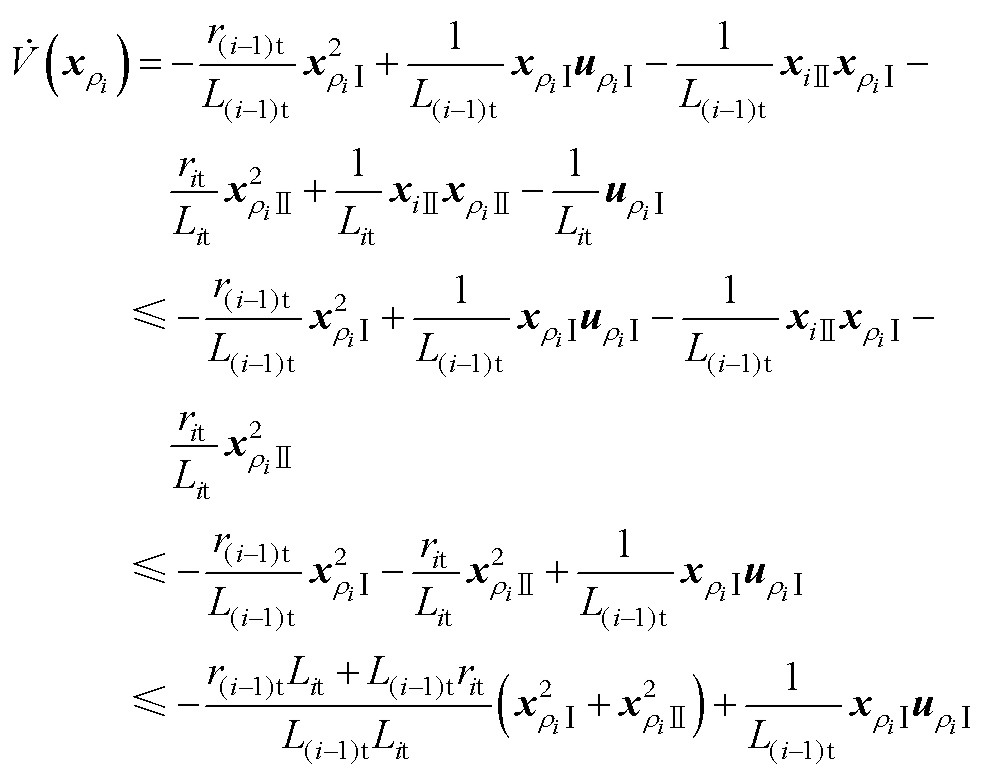 (A12)
(A12)
式中,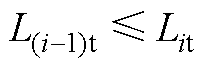 。
。
为确保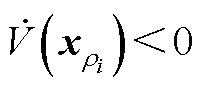 ,将式(A12)重写为
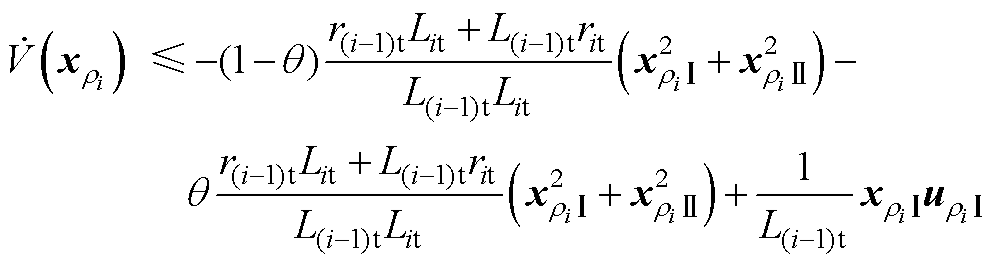 (A13)
(A13)
若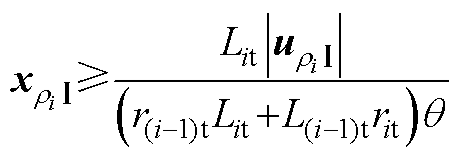 、
、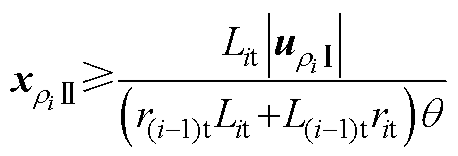 或
或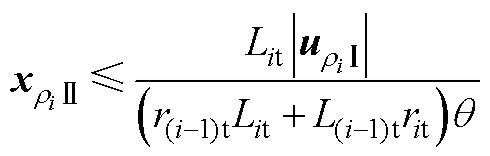 ,则
,则
 (A14)
(A14)
上述条件可表示为
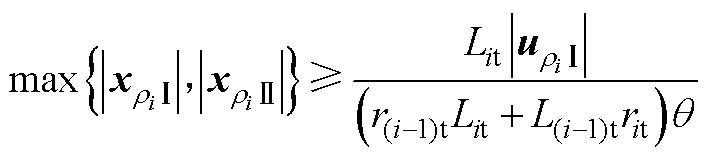 (A15)
(A15)
利用1-范数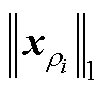 ,并定义类函数为
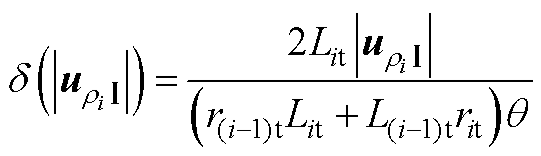 (A16)
(A16)
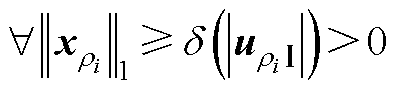
由此可知,当

 (A17)
(A17)
时,满足不等式(12)。因此,DCMGi耦合动态子系统是ISS的。
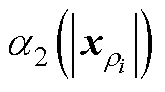
由于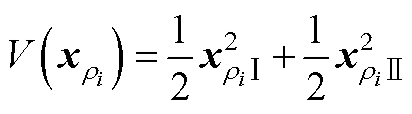 是正定的,
是正定的,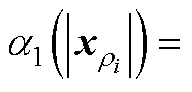
 。因此,能够得到DCMGi本地动态子系统增益函数
 为
为
 (A18)
(A18)
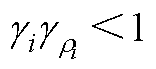
综上所述,可得出各个子系统及其相互耦合关系均满足ISS性质,从而证明了直流微电网集群是ISS;同时,根据所得到的子系统和耦合关系的增益函数,推导出在鲁棒意义下,DCMGi的子系统和耦合关系的增益函数复合后满足
 (A19)
(A19)
从而导出直流微电网集群系统ISS充分条件。
附图1 直流微电网集群实验平台
App.Fig.1 Experimental platform of the DCMGC
参考文献
[1] 吴翔宇, 张晓红, 尚子轩, 等. 基于频域阻抗网络建模分析的交直流微电网振荡问题研究[J]. 电工技术学报, 2024, 39(8): 2294-2310.
Wu Xiangyu, Zhang Xiaohong, Shang Zixuan, et al. Research on the oscillation problem of AC-DC microgrids based on frequency domain impedance network modeling and analysis[J]. Transactions of China Electrotechnical Society, 2024, 39(8): 2294- 2310.
[2] 张泽华, 宋桂英, 张晓璐, 等. 考虑恒功率负载的直流微电网稳定性与鲁棒性控制策略[J]. 电工技术学报, 2023, 38(16): 4391-4405.
Zhang Zehua, Song Guiying, Zhang Xiaolu, et al. Stability and robustness control strategy of DC micro- grid considering constant power load[J]. Transactions of China Electrotechnical Society, 2023, 38(16): 4391- 4405.
[3] 厉泽坤, 孔力, 裴玮, 等. 基于混合势函数的下垂控制直流微电网大扰动稳定性分析[J]. 电网技术, 2018, 42(11): 3725-3734.
Li Zekun, Kong Li, Pei Wei, et al. Large-disturbance stability analysis of droop-controlled DC microgrid based on mixed potential function[J]. Power System Technology, 2018, 42(11): 3725-3734.
[4] 罗朋, 潘锦超, 洪濬哲, 等. 用于直流微电网的高升压变换器设计及效率优化[J]. 电工技术学报, 2023, 38(20): 5530-5546.
Luo Peng, Pan Jinchao, Hong Junzhe, et al. Design and efficiency optimization of a high step-up con- verter for DC microgird[J]. Transactions of China Electrotechnical Society, 2023, 38(20): 5530-5546.
[5] 朱晓荣, 杜雯菲. 基于能量管理的直流微电网集群协同控制策略[J]. 电力自动化设备, 2025, 45(1): 123-130.
Zhu Xiaorong, Du Wenfei. Coordinated control strategy of DC microgrid cluster based on energy management[J]. Electric Power Automation Equipment, 2025, 45(1): 123-130.
[6] Liu Sucheng, Li Xiang, Xia Mengyu, et al. Takagi- Sugeno multimodeling-based large signal stability analysis of DC microgrid clusters[J]. IEEE Transa- ctions on Power Electronics, 2021, 36(11): 12670- 12684.
[7] Gui Yonghao, Han Renke, Guerrero J M, et al. Large- signal stability improvement of DC-DC converters in DC microgrid[J]. IEEE Transactions on Energy Con- version, 2021, 36(3): 2534-2544.
[8] Peng Dongdong, Huang Meng, Li Jinhua, et al. Large- signal stability criterion for parallel-connected DC- DC converters with current source equivalence[J]. IEEE Transactions on Circuits and Systems II: Express Briefs, 2019, 66(12): 2037-2041.
[9] 薛花, 张珂宁, 王凯, 等. 基于能量函数塑形的直流微电网多电力弹簧电压平稳控制方法[J]. 电力系统自动化, 2024, 48(10): 96-108.
Xue Hua, Zhang Kening, Wang Kai, et al. Voltage regulation control method of multiple electric springs in DC microgrid based on energy function shaping[J]. Automation of Electric Power Systems, 2024, 48(10): 96-108.
[10] 刘迎澍, 陈曦, 李斌, 等. 多微网系统关键技术综述[J]. 电网技术, 2020, 44(10): 3804-3820.
Liu Yingshu, Chen Xi, Li Bin, et al. State of art of the key technologies of multiple microgrids system[J]. Power System Technology, 2020, 44(10): 3804-3820.
[11] 王成山, 李微, 王议锋, 等. 直流微电网母线电压波动分类及抑制方法综述[J]. 中国电机工程学报, 2017, 37(1): 84-98.
Wang Chengshan, Li Wei, Wang Yifeng, et al. DC bus voltage fluctuation classification and restraint methods review for DC microgrid[J]. Proceedings of the CSEE, 2017, 37(1): 84-98.
[12] Herrera L, Zhang Wei, Wang Jin. Stability analysis and controller design of DC microgrids with constant power loads[J]. IEEE Transactions on Smart Grid, 2017, 8(2): 881-888.
[13] 滕昌鹏, 王玉斌, 周博恺, 等. 含恒功率负载的直流微网大信号稳定性分析[J]. 电工技术学报, 2019, 34(5): 973-982.
Teng Changpeng, Wang Yubin, Zhou Bokai, et al. Large-signal stability analysis of DC microgrid with constant power loads[J]. Transactions of China Elec- trotechnical Society, 2019, 34(5): 973-982.
[14] 明佳, 王玉斌, 王璠, 等. 直流微网的大信号稳定性分析及有源阻尼补偿方法[J]. 电工技术学报, 2021, 36(增刊2): 517-529.
Ming Jia, Wang Yubin, Wang Fan, et al. Large-signal stability analysis and active damping compensation methods for DC microgrid[J]. Transactions of China Electrotechnical Society, 2021, 36(S2): 517-529.
[15] Jiang Jianbo, Liu Fei, Pan Shangzhi, et al. A conservatism-free large signal stability analysis method for DC microgrid based on mixed potential theory[J]. IEEE Transactions on Power Electronics, 2019, 34(11): 11342-11351.
[16] 王力, 谭振杰, 曾祥君, 等. 基于改进等效电路模型的直流微电网大信号稳定性分析[J]. 电工技术学报, 2024, 39(5): 1284-1299.
Wang Li, Tan Zhenjie, Zeng Xiangjun, et al. Large- signal stability analysis for DC microgrids based on the improved equivalent circuit model[J]. Transa- ctions of China Electrotechnical Society, 2024, 39(5): 1284-1299.
[17] 刘笑, 杨建, 李力, 等. 基于机器学习的带被动阻尼直流微电网系统的稳定性检测[J]. 电工技术学报, 2024, 39(8): 2281-2293, 2324.
Liu Xiao, Yang Jian, Li Li, et al. Stability detection of DC microgrid systems with passive damping based on machine learning[J]. Transactions of China Electro- technical Society, 2024, 39(8): 2281-2293, 2324.
[18] 杨建, 刘笑, 董密, 等. 基于深度学习的恒功率负荷直流微电网稳定性分析[J]. 电力系统自动化, 2023, 47(15): 188-197.
Yang Jian, Liu Xiao, Dong Mi, et al. Deep learning based stability analysis of DC microgrid with constant power loads[J]. Automation of Electric Power Systems, 2023, 47(15): 188-197.
[19] 刘宿城, 李龙, 栾李, 等. 基于深度神经网络Lyapunov函数的直流微电网大信号稳定性分析[J/OL]. 电力自动化设备, 2024: 1-13[2025-03-20]. DOI: https://doi.org/10.16081/j.epae.202412020.
Liu Sucheng, Li Long, Luan Li, et al. Large signal stability analysis based on deep neural network Lyapunov function for DC microgrids[J/OL]. Electric Power Automation Equipment, 2024: 1-13[2025-03- 20]. DOI: https://doi.org/10.16081/j.epae.202412020.
[20] 刘宿城, 李响, 秦强栋, 等. 直流微电网集群的大信号稳定性分析[J]. 电工技术学报, 2022, 37(12): 3132-3147.
Liu Sucheng, Li Xiang, Qin Qiangdong, et al. Large signal stability analysis for DC microgrid clusters[J]. Transactions of China Electrotechnical Society, 2022, 37(12): 3132-3147.
[21] 刘宿城, 褚勇智, 刁吉祥, 等. 基于输入-状态稳定条件的直流微电网集群分布式大信号稳定性[J]. 电工技术学报, 2025, 40(2): 544-558, 573.
Liu Sucheng, Chu Yongzhi, Diao Jixiang, et al. Dis- tributed large signal stability based on input-to-state stability conditions for DC microgrid clusters[J]. Transactions of China Electrotechnical Society, 2025, 40(2): 544-558, 573.
[22] Sontag E D. Smooth stabilization implies coprime factorization[J]. IEEE Transactions on Automatic Control, 1989, 34(4): 435-443.
[23] Jiang Z P, Teel A R, Praly L. Small-gain theorem for ISS systems and applications[J]. Mathematics of Control, Signals and Systems, 1994, 7: 95-120.
[24] Zhu Quanxin. Nonlinear Systems[M]. Basel, Switzerland: MDPI-Multidisciplinary Digital Publishing Institute, 2023.
[25] Grüne L. Computing Lyapunov functions using deep neural networks[J]. Journal of Computational Dynamics, 2021, 8(2): 131-152.
[26] Liu Yunfei, Zhang Junran, Liu Yan, et al. An improved neural Lyapunov method for transient stability assessment of networked microgrids[J]. IEEE Transactions on Smart Grid, 2024, 15(2): 1410-1422.
[27] Fitzsimmons M, Liu Jun. A neural network approach to finding global Lyapunov functions for homogeneous vector fields[J]. IEEE Control Systems Letters, 2024, 8: 670-675.
[28] Hornik K, Stinchcombe M, White H. Multilayer feedforward networks are universal approximators[J]. Neural Networks, 1989, 2(5): 359-366.
Abstract A DC microgrid cluster (DCMGC) is a complex network formed by the interconnections of multiple adjacent small DC microgrids, which can enhance power supply reliability and economic benefits through flexible inter-network power flow control. However, the stable operation of DCMGCs faces significant challenges. On one hand, the system features numerous power electronic interfaces between distributed energy resources (DERs), loads, and the DC bus. Among these, controlled load converters act as constant power loads (CPLs) with negative impedance characteristics from the bus perspective, which may cause voltage instability and power oscillations. The intermittent fluctuations of DERs caused by variable wind speed and solar irradiance, coupled with load-side demand changes and source-side topology variations (e.g., microgrid connection/ disconnection), endow DCMGCs with ‘weak-grid’ characteristics of low inertia and high impedance, severely challenging their large-signal stable operation. On the other hand, traditional Lyapunov-based large-signal stability analysis methods have limitations in constructing appropriate energy functionals as a general approach, especially for the high-order and nonlinear dynamics of DCMGCs. Meanwhile, existing ‘decomposition- aggregation’ distributed modeling methods suffer from high conservatism, leading to overly restrictive stability conditions.
This paper proposes a novel method for large-signal stability analysis based on a distributed learning composite Lyapunov function. First, the DCMGC system is modeled as interconnected microgrid subsystems, and distributed equivalent large-signal circuit models are established to reflect the dynamics and interactions of these subsystems. Then, the Lyapunov stability condition is used to customize the loss function, and the Lyapunov function of each subsystem is constructed via distributed deep neural network parallel learning. Subsequently, a composite Lyapunov function for the DCMGC is formed by integrating subsystem functions. Through case studies on a specific DCMGC topology, the impacts of circuit parameter changes, topology variations, and an increase in the number of microgrids on large-signal stability are analyzed. Finally, hardware-in-the-loop (HIL) and all-physical hardware experiments verify the effectiveness of the proposed method.
The following conclusions can be drawn. (1) The proposed distributed learning composite Lyapunov method combines data-driven with Lyapunov function theory and considers the distributed characteristics of the DCMGCs model. It enables parallel block-solving of subsystem Lyapunov functions in local state space, demonstrating excellent solvability. (2) Compared with the T-S method based on region of attraction (ROA) ‘domain’ information and Braton-Moser’s mixed potential function method based on criterion derivation, the proposed method offers significantly lower analytical conservatism, enabling more accurate and less restrictive stability assessment for DCMGC design and operation.
keywords:DC microgrid cluster, large-signal stability, distributed learning, composite Lyapunov functions
DOI: 10.19595/j.cnki.1000-6753.tces.250466
中图分类号:TM46; TM712
国家自然科学基金面上项目资助(52277169)。
收稿日期 2025-03-24
改稿日期 2025-06-02
刘宿城 男,1981年生,博士,教授,研究方向为直流微电网与开关功率变换技术。E-mail: liusucheng@126.com(通信作者)
李 龙 男,1999年生,硕士研究生,研究方向为直流微电网。E-mail: lilonghaha2020@163.com
(编辑 陈 诚)